Revlon files for bankruptcy as declining sales lead to downfall
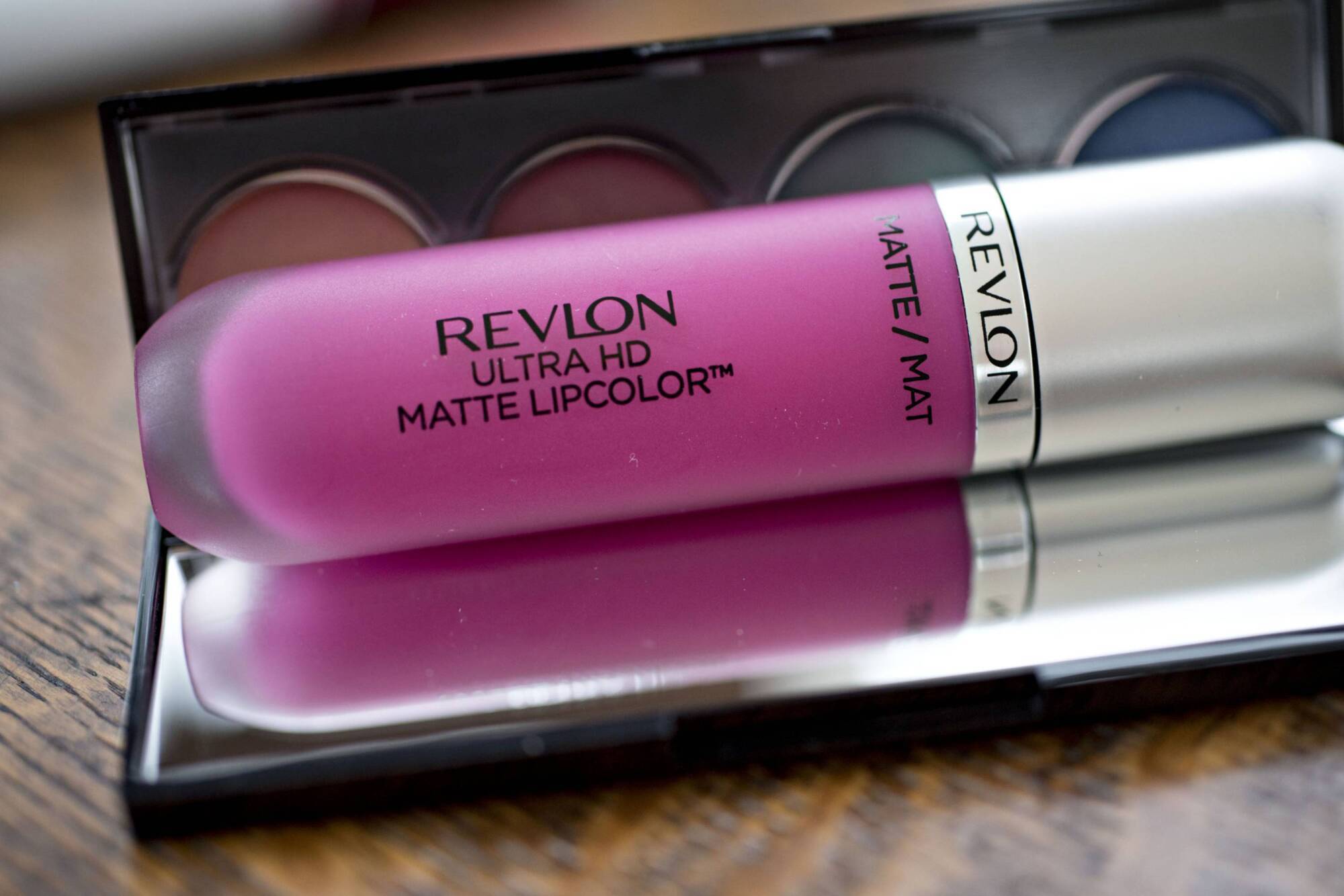
The cosmetics giant, owned by billionaire Ron Perelman’s MacAndrews & Forbes, sought court protection in the Southern District of New York late Tuesday. Picture: Daniel Acker/Bloomberg
Revlon Inc. filed for Chapter 11 bankruptcy as the global supply chain crunch proved the tipping point for the debt-laden company that has struggled to tap into a broader cosmetics sales boom driven by social media influencers.
The cosmetics giant, owned by billionaire Ron Perelman’s MacAndrews & Forbes, sought court protection in the Southern District of New York late Tuesday. It listed assets totalling $2.3bn (€2.2bn) as of late April, and debts of $3.7bn (€3.5bn), according to court papers.
Chapter 11 filings allow a company to continue operating while it works out a plan to repay creditors. Revlon said in a statement that it’s lined up $575m (€550m) of so-called debtor-in-possession financing from existing lenders to fund itself during bankruptcy.
The bankruptcy caps a tumultuous period for the company, which suffered during the pandemic and faced years of declining sales as consumer tastes changed and upstart brands ate into its market share. More recently, the company said supply-chain pain and inflation were challenging its ability to keep up with rebounding consumer demand.
“Consumer demand for our products remains strong – people love our brands, and we continue to have a healthy market position. But our challenging capital structure has limited our ability to navigate macro-economic issues in order to meet this demand,” Revlon Chief Executive Officer Debra Perelman said in a statement.
The 90-year-old company got its start selling nail polishes in the throes of the Great Depression, and later added coordinated lipsticks to its collection. By 1955, the brand was international.
Perelman’s holding company took control of Revlon in an acrimonious takeover in 1985, funding the deal with junk debt raised by Michael Milken. MacAndrews & Forbes at one point sued Revlon over the company’s acceptance of a lower offer from Forstmann Little & Co., resulting in a landmark Delaware court decision on the fiduciary duties of board members, sometimes dubbed the “Revlon Rule.”
The company’s debt load proved burdensome, especially after it sold more than $2bn (€1.bn) of loans and bonds to fund its acquisition of Elizabeth Arden in 2016. It also owns brands including Cutex and Almay, and markets in more than 150 countries.
In recent years, Revlon has struggled to compete with newer brands and those owned by rivals L’Oreal SA and Estee Lauder Cos. that have turned to video bloggers and Instagram personalities to fuel growth. The pandemic provided another blow to sales.
Revlon narrowly staved off multiple previous defaults by cutting deals with creditors to rework its obligations out of court, and later found itself ensnared in one of the banking industry’s most infamous blunders when Citigroup Inc. -- intending to process a routine loan interest payment -- instead mistakenly paid some Revlon creditors nearly $900m (€860m).
The case is Revlon Inc., 22-10760, U.S. Bankruptcy Court for the Southern District of New York.
CONNECT WITH US TODAY



Be the first to know the latest news and updates