Nestle halts most of its food factories in Russia
Nestle said that it does not expect to make a profit in Russia or pay any related taxes for the foreseeable future.
Nestle, the world’s largest food maker, said it is suspending the vast majority of its manufacturing in Russia amid growing pressure on multinationals to fully exit the country following its invasion of Ukraine.
The Swiss company is stopping the sale of brands like KitKat and Nesquik and will focus on other products including baby food and medical nutrition, it said in a statement.
The company is in the process of identifying solutions for its factories and employees in Russia, who will continue to be paid, a spokesperson said, adding that the move means Nestle will suspend most of its pre-war sales volume and production volume in Russia.
“This approach is in line with our purpose and values. It upholds the principle of ensuring the basic right to food.”
Shares in Nestle fell by over 1% in trading today.
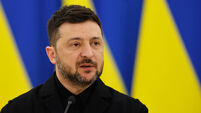
Ukrainian president Volodymyr Zelenskyy had criticised Nestle for still conducting business in Russia in a streamed speech to thousands of protesters in Switzerland’s capital of Bern last Saturday.
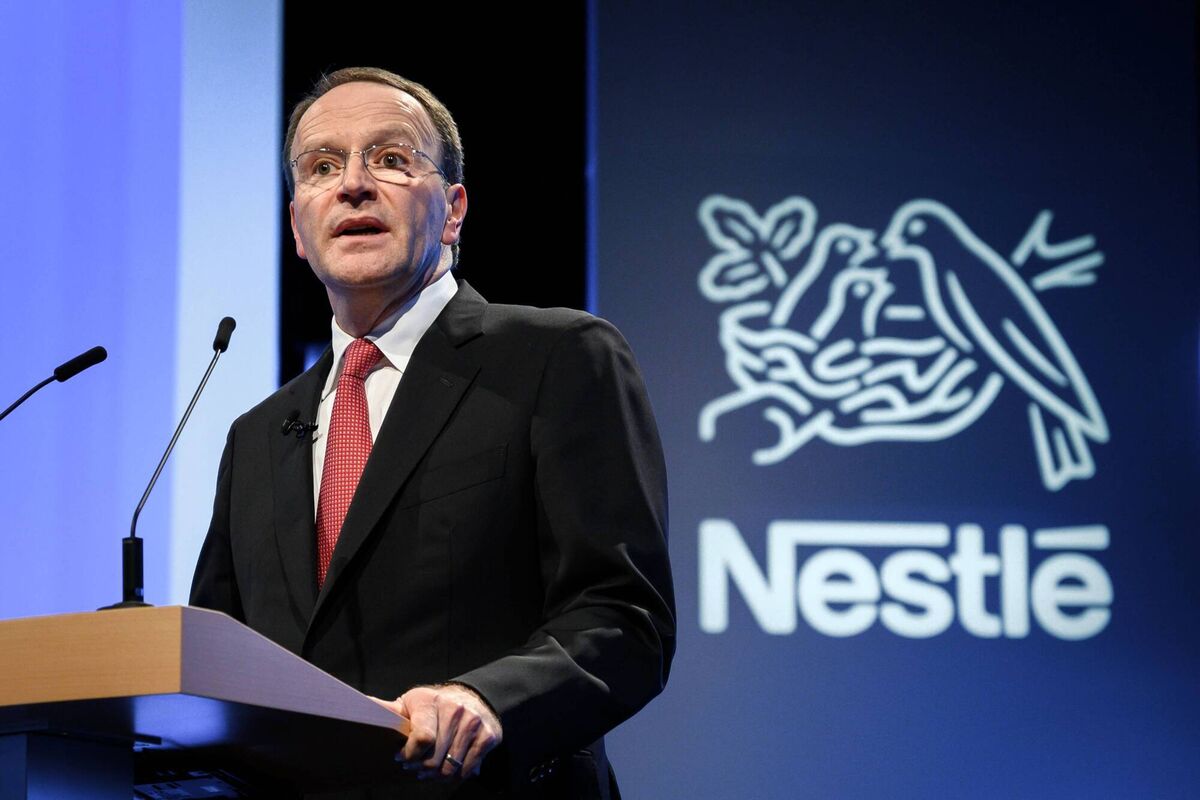
Last week, Ukrainian prime minister Denys Shmyhal published a tweet stating that Nestle chief executive Mark Schneider has shown no understanding and that he hoped he would soon change his mind.
Nestle has been gradually reducing its footprint in Russia since the war began, first halting advertising and capital investments, and then earlier this month stopping shipments of non-essential products like Nespresso coffee capsules and San Pellegrino water.
It has kept selling baby food, cereals, and some pet food, but said it does not make a profit from its remaining activities in Russia.
Nestle has more than 7,000 employees and six factories in Russia, where products such as confectionery and coffee are made. The company generated about 2% of total revenue there last year.
Nestle is not the only food company that has maintained some business operations in Russia.
British rivals including Unilever, and Reckitt Benckiser Group, as well as US competitors such as Kellogg and Pepsi are still supplying some essential food and drink to Russian consumers.
French food group Danone said that it will continue its local production in Russia of essential dairy and of infant nutrition products.
Danone's non-essential sales in Russia include products Evian and Alpro.
It added that it has ceased all other imports and exports and ceased all investments, including advertising, brand activations, and consumer promotions in Russia and that it is taking no cash, dividends, or profits from its Russian business.
CONNECT WITH US TODAY



Be the first to know the latest news and updates