Bernard Looney’s pay almost doubles as rising oil prices turn BP into 'cash machine'
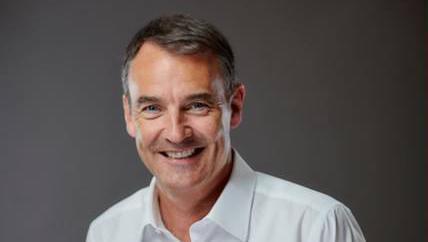
Bernard Looney’s reward was announced as the company reported its biggest profit in eight years.
The pay of BP’s boss, Bernard Looney, ballooned to nearly £4.5m (€5.37m) in 2021, after soaring oil prices transformed the company into a “cash machine”.
Looney, from Kerry, enjoyed an inflated pay packet thanks to £2.4m (€2.86m) in bonuses based on financial performance. He announced last month that BP was selling its 20% stake in the Kremlin-controlled oil company Rosneft after coming under pressure from the UK government,
His reward was unveiled after the FTSE 100 firm reported its biggest profit in eight years. It booked earnings of $12.8bn (€15.3bn) for 2021, compared with a loss of $5.7bn (€6.8bn) the year before, after cashing in on historic highs in the market price for gas and oil. The same price increases, since aggravated by the war in Ukraine, have fuelled a surge in the cost of living.
Having received no bonus in 2020, the extra sum Looney received for 2021, together with a £142,000 (€169,300) wage increase, meant that his total pay-and-perks deal soared to nearly £4.5m, compared with £2.4m (€2.86m) in 2020.
The company said his windfall had been adjusted to ensure that he was not simply benefiting from the effect of rising oil prices, which he has previously said have turned the company into a “cash machine”.
The award covers the year before Russia’s invasion of Ukraine, which has forced BP into promising to sell its 20% stake in Rosneft after the British government expressed “concern” about the decade-old link.
Looney was one of two BP representatives on the Rosneft board, thanks to a 2013 deal that was announced at the company’s London headquarters by his predecessor, Bob Dudley, and Igor Sechin, widely seen as Vladimir Putin’s right-hand man.
Before vowing to cut ties with Russia, Looney had also come under scrutiny for his role in the Russian Geographical Society, for which he received Putin’s personal thanks.
BP is expected to take a write-down of up to $25bn (€22.67bn) from its disposal of the Rosneft stake, with sanctions on Russia complicating its hopes of finding a buyer.
CONNECT WITH US TODAY



Be the first to know the latest news and updates