Chip makers see limited disruption from Ukraine for time being
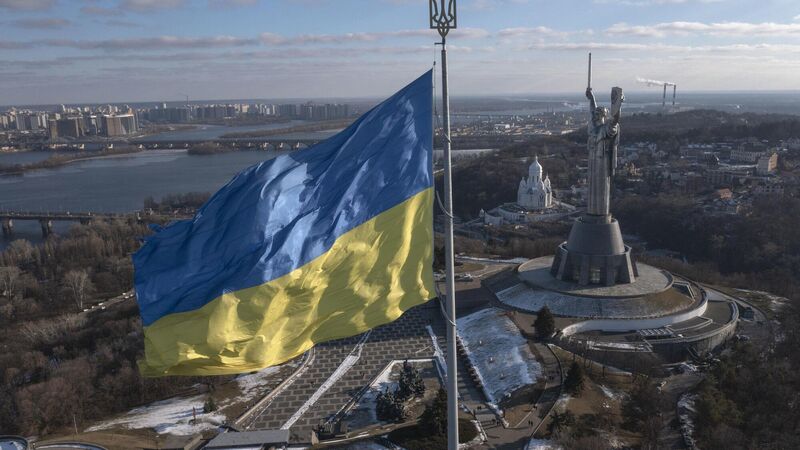
Ukraine supplies more than 90% of US semiconductor-grade neon, critical for lasers used in chipmaking. Picture: AP /Efrem Lukatsky
Large chip companies said they expected limited supply chain disruption for now from the Russia-Ukraine conflict, thanks to raw material stockpiling, but some industry sources said there could be an impact longer term.
Ukraine supplies more than 90% of US semiconductor-grade neon, critical for lasers used in chipmaking. The gas, a bi-product of Russian steel manufacturing, is purified in Ukraine, market research firm Techcet says.
Russia is the source of 35% of the palladium used in the US. The metal is used in sensors and memory, among other applications.
"The chipmakers are not feeling any direct impact, but the companies that supply them with materials for semiconductor fabrication buy gases, including neon and palladium, from Russia and Ukraine," said a Japanese chip industry source who spoke on condition of anonymity.
But companies are better prepared than in recent years, thanks to other disruptions and conflicts.
"We understand that reports of potential disruption of supply of minerals and noble gases, due to ongoing tensions between Russia and Ukraine, are concerning for the semiconductor industry," memory chip maker Micron Technology said, but added that it had "diversified sourcing" for its supplies.
The White House told the chip industry to diversify its suppliers in case Russia retaliated against US sanctions.
Asml, a key Dutch supplier to chipmakers including TSMC, Samsung Electronics, and Intel, said this week it was examining alternative sources for neon.
Most chipmakers said they were in wait-and-see mode, after already diversifying supply chains because of the US-China trade standoff, the pandemic and Japan's diplomatic spat with South Korea.
Some firms began diversifying from Ukraine and Russia after Moscow's annexation of Crimea in 2014 triggered a jump in neon prices.
• Reuters