Sackler family considers adding another $1bn for final OxyContin settlement
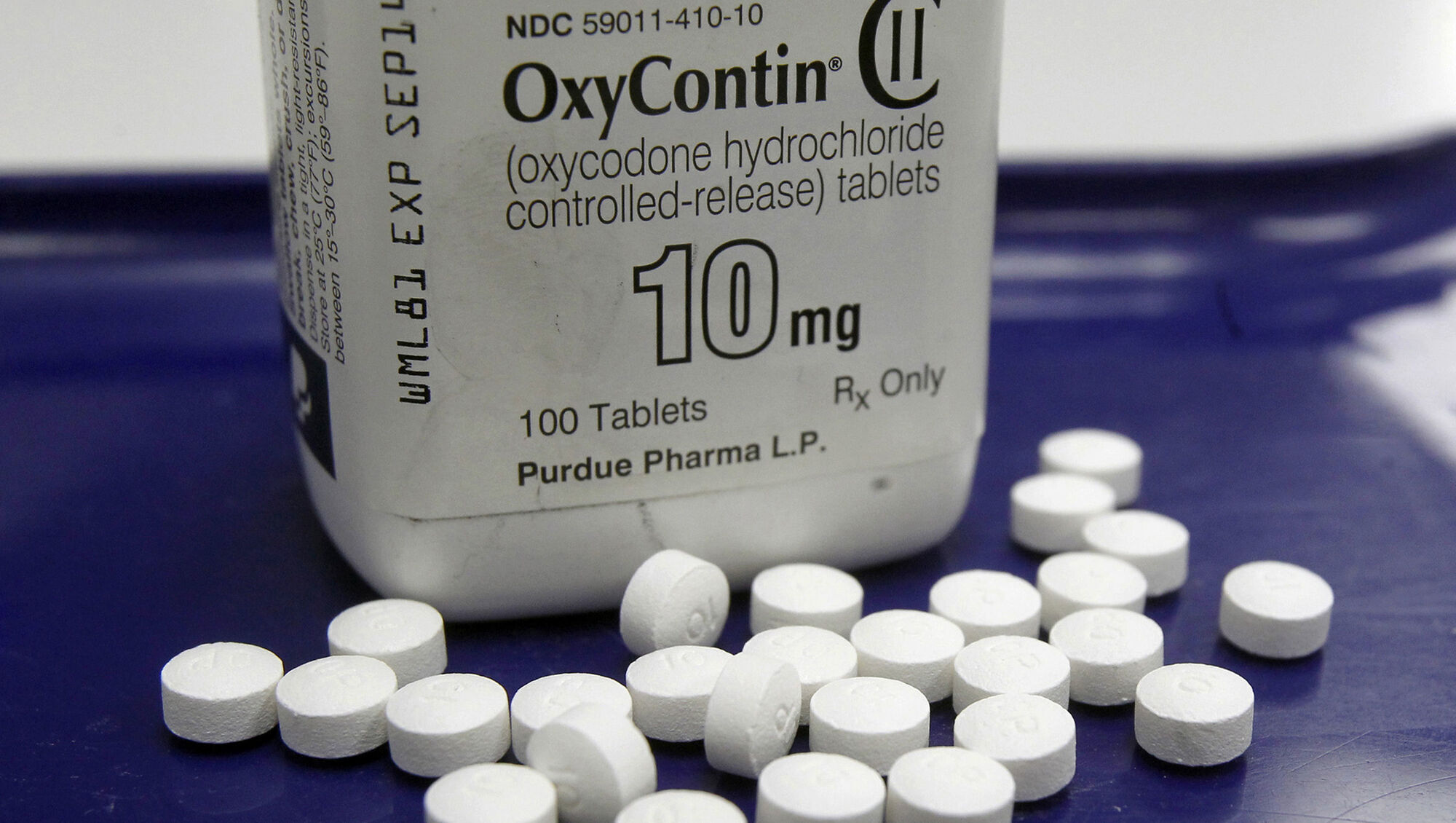
States and local governments accuse Purdue of duping doctors and patients about OxyContin’s addictive properties and blame the Sacklers and the company for fueling a public-health crisis.Â
Members of the billionaire Sackler family that own Purdue Pharma are weighing whether to add $1bn (€881m) to the OxyContin-maker’s faltering opioid settlement bid in an effort to win over holdouts, according to people familiar with the talks.
The move would bring the family’s total contribution to over $5.3bn to get a handful of state attorneys general to drop their opposition to Purdue’s bankruptcy plan, the people said.Â
In return, the states would abandon appeals of the Sacklers’ demands to be freed from liability in current and future opioid lawsuits, the people added.
“This sounds like a good deal for the Sacklers to me,” Carl Tobias, a University of Richmond law professor who has followed opioid litigation and the Purdue bankruptcy case.Â
“They get their releases for another $1bn after they helped devastate large swaths of the country with OxyContin? I doubt it’s enough.”Â
Purdue and other companies involved in the opioid industry face thousands of lawsuits by states and municipalities that allege they helped create a crisis that’s claimed hundreds of thousands of lives in the US.Â
Most of the cases are still pending, though some companies, including Johnson & Johnson and McKesson, have proposed broad settlements.
That ruling came after some states appealed the deal, saying Purdue’s owners shouldn’t get lifetime immunity from suits targeting them for the company’s role in the US opioid epidemic.
A representative for Purdue Pharma said the mediation is governed by strict court-ordered confidentiality and declined to comment further.Â
A representative for the Mortimer Sackler wing of the family declined to comment.Â
Representatives for the Raymond Sackler wing of the family didn’t immediately respond to a request for comment.
Bankruptcy Judge Shelley Chapman — serving as mediator in the Purdue case — said earlier this week the family and states are “even closer” to a deal than before.Â
Judge Chapman asked Judge Robert Drain, who is overseeing Purdue’s bankruptcy, to extend the mediation to February 16.
Purdue’s settlement would let the company resolve trillions of dollars in claims against it over its role in the opioid crisis.Â
The accord calls for handing nearly all of the drug maker’s assets to the states and local municipalities that sued and would provide billions of dollars to anti-addiction programmes.
States and local governments accuse Purdue of duping doctors and patients about OxyContin’s addictive properties and blame the Sacklers and the company for fueling a public-health crisis.Â
Their suits seek compensation for billions of tax dollars spent battling the opioid epidemic, which has claimed almost 500,000 lives in the US over the past two decades.
As part of the $1bn increase to the settlement, the Sacklers would get more than nine years to pay that portion, the sources said.Â
That’s longer than the payout deadline for the original $4.3bn deal, they said.
A bigger settlement that has the backing of dissident states could ease Purdue’s exit from Chapter 11 and direct more funds to opioid abatement initiatives.
“At a time when drug overdose deaths are at record levels, using Purdue’s settlement funds for opioid crisis abatement programmes, victim compensation, and overdose rescue medicines is more needed than ever,” the company said in a statement earlier this week.Â
“We believe a global settlement is the best way to achieve this goal.”Â