Irish factories expand output as costs 'remain  intense'      
Staff shortages and global supply delays slowed expansion
Irish factories expand output as costs 'remain  intense'      

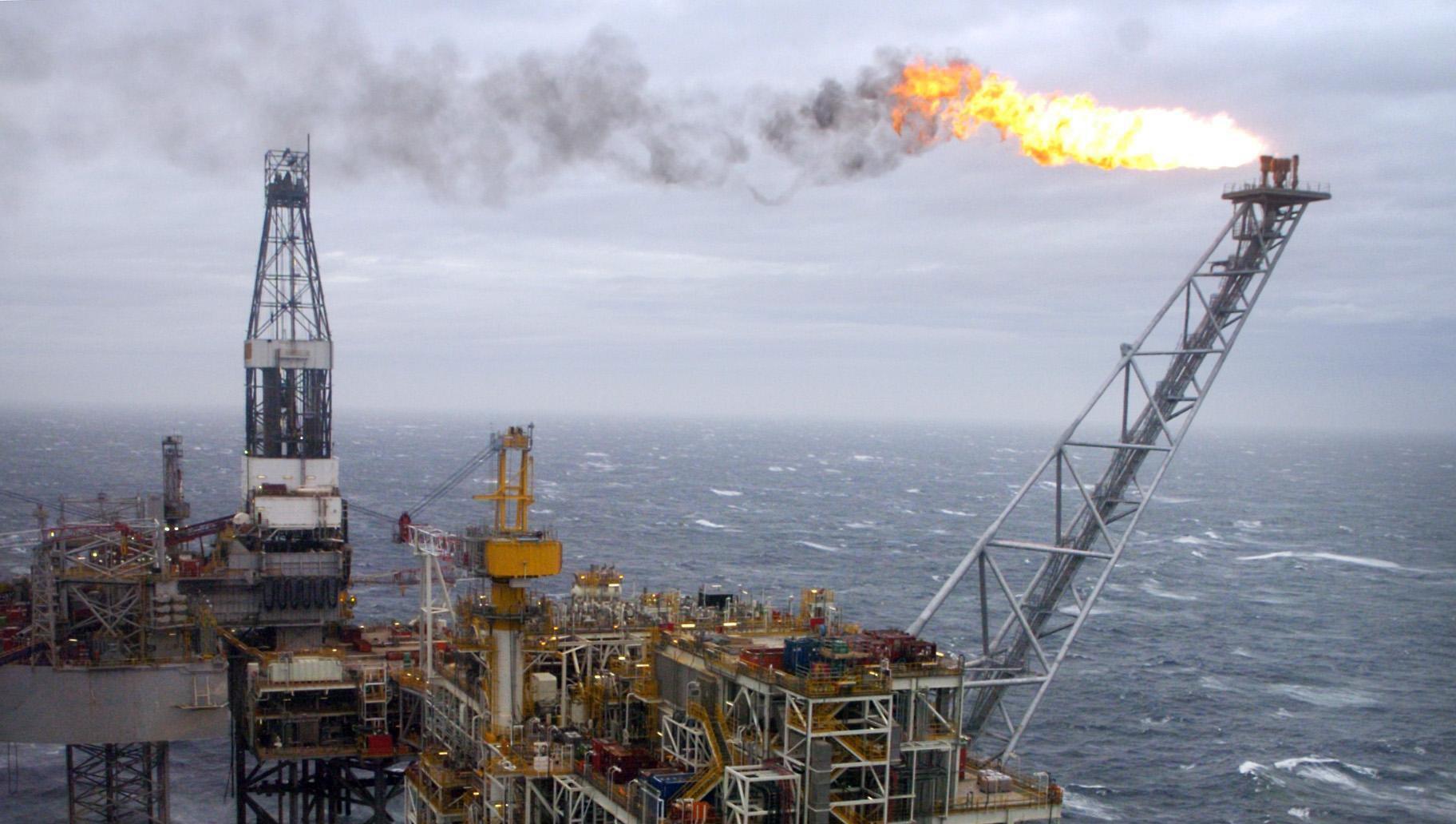
Crude oil heads for gains of more than 16% in January.

Orders for factories have picked up but elevated input cost inflation has eased, in a somewhat encouraging sign for Irish manufacturing and the wider economy, the latest purchasing managers' survey suggests.

The AIB Irish Purchasing Managers' Index showed that staff shortages and global supply delays had slowed expansion but that demand had nonetheless increased in January.

The survey found cost pressures "remain severe" but there were signs that some of the huge spikes recorded late last year were easing. 

Both input and output prices in Ireland rose at their slowest since August, but stay close to record elevated levels. The large hikes in input and output costs across the world have been documented since the lifting of the worst of the Covid-19 crisis pandemic last year.  

The monthly survey of purchasing managers is just one of many conducted around the world but the unusual mix of Ireland hosting a large number of multinationals and having its own domestic-owned factories means the Irish survey gets a wider audience. 

"The combination of strong demand, disruptions to supply chains, and continuing upward trend in prices of raw materials, energy, and transportation, meant the pressure on costs remained intense," said Oliver Mangan, chief economist at AIB, in a commentary. "There were further marked rises in firms' input and output prices, though the rate of increase has eased somewhat recently," he said. 

The headline rate of the survey rose to 59.4, where any reading above 50 means that manufacturing is expanding. 

"Manufacturers were very positive on the 12-month outlook for production, with the recovery from the pandemic expected to continue in 2022 and new business growing," according to the survey. 

However, Irish manufacturing faces a further potential round of price pressures.     

Oil prices

Global oil prices were on track for their biggest monthly gain in almost a year on Monday, boosted by a supply shortage and political tensions over Ukraine and the Middle East.

Brent crude for March delivery traded at almost $91.20 a barrel, after recording its highest level last week at $91.70.

It was heading for gains of more than 16% in January, the most since February 2021.

Market analysts widely expect the so-called Opec+ producers' group to keep to its policy of gradual production increases when it meets on Wednesday.

Major producers in the Organisation of the Petroleum Exporting Countries and allies led by Russia, collectively known as Opec+, have raised their output every month since August. 

However, the month-to-month supply increases are either too immaterial for the market to appreciate and are not being completely fulfilled by the group, said Louise Dickson, Rystad Energy's senior oil markets analyst.

The head of Nato has said that Europe needed to diversify its energy supplies away from Russia. The market is also on alert over the Middle East after the United Arab Emirates said it had intercepted a ballistic missile fired by Yemen's Houthi. 

— Additional reporting Reuters

x

More in this section

The Business Hub

Newsletter

News and analysis on business, money and jobs from Munster and beyond by our expert team of business writers.

Cookie Policy Privacy Policy Brand Safety FAQ Help Contact Us Terms and Conditions

© Examiner Echo Group Limited