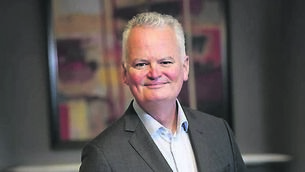
Unilever chief warns weakened global demand may last further six months
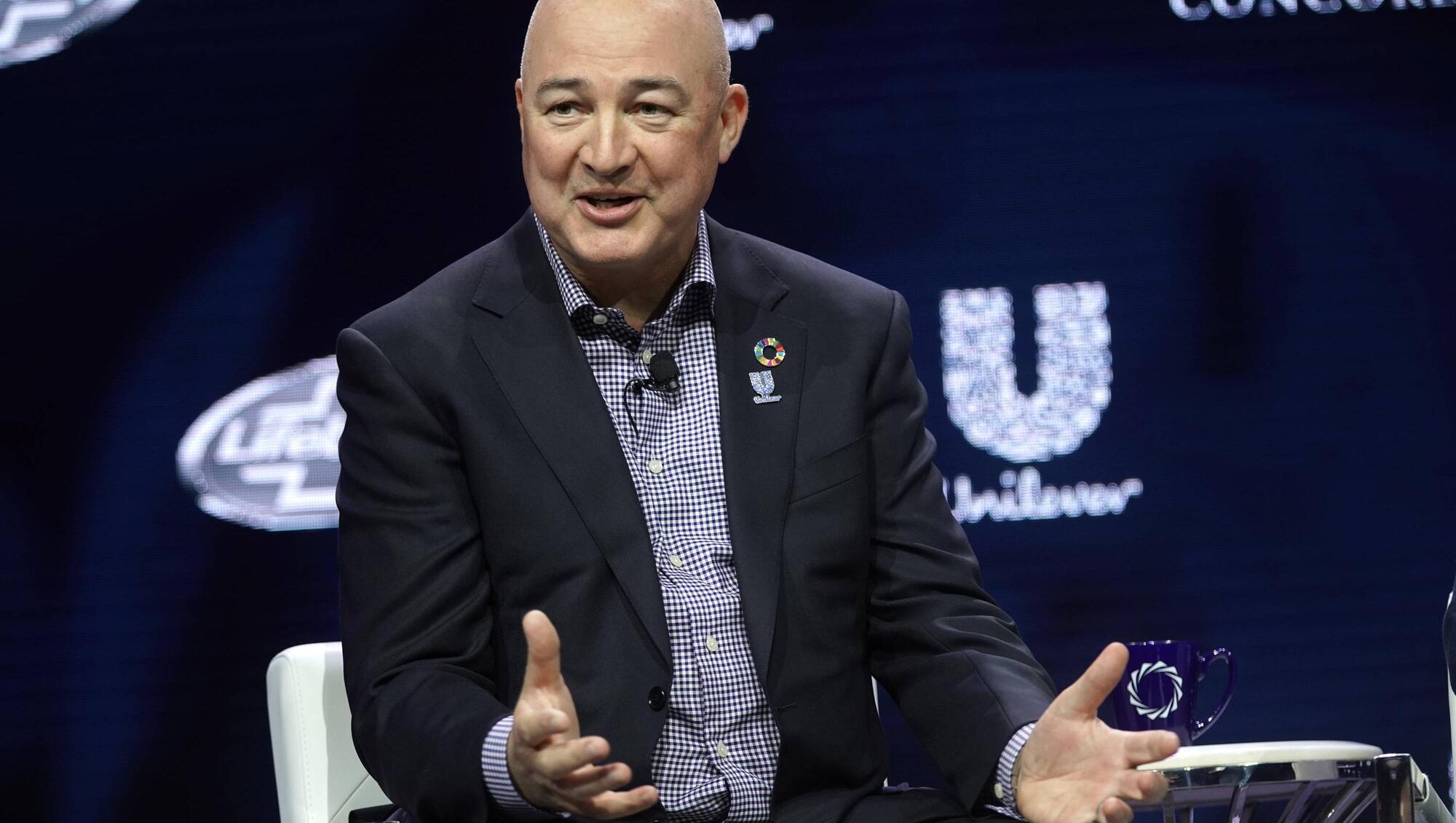
Unilever CEO Alan Jope doesn't see global consumption patterns recovering until the second half of this year. Picture: Riccardo Savi/Getty Images for Concordia Summit
Consumer goods maker Unilever expects global consumption patterns to be suppressed in the first half of this year, even as business returns to normal in eastern Asia and markets in Africa and Latin America show resiliency, its chief executive has said.
“We still hold that the first half of this year will be a continued period of suppressed consumption ... with that starting to come back in the second half of this year and then next year,” chief executive Alan Jope said.
The maker of Dove soap, Hellmann’s mayonnaise, Domestos bleach, and Tresemme shampoo withdrew its annual sales growth target in April.
Mr Jope said he was still wary of making any predictions about its future business due to the fluidity of the Covid-19 pandemic.
However, he said the company would grow ahead of the broader market and he does not expect any hits to margins over the near term.
The pandemic has boosted sales of packaged food for companies like Unilever, Nestle and Kraft Heinz, though Unilever was hurt by sharp declines in foods served in public places such as beaches and restaurants.
Still, there were signs of progress, with Mr Jope saying business was back to usual in east Asia, notably in Singapore and China, and that despite rising cases, Africa and Latin America were showing strong consumption resilience.
Mr Jope also said that the company was continuing to focus on the reshaping of its portfolio, but that investors should not “hold their breath” on any significant disposals in its beauty and personal care business.
There may be some clean-up of small brands in beauty and personal care, but they will have minimal impact, he added.
He said Unilever could do some smaller deals, as part of a reshaping of its portfolio.
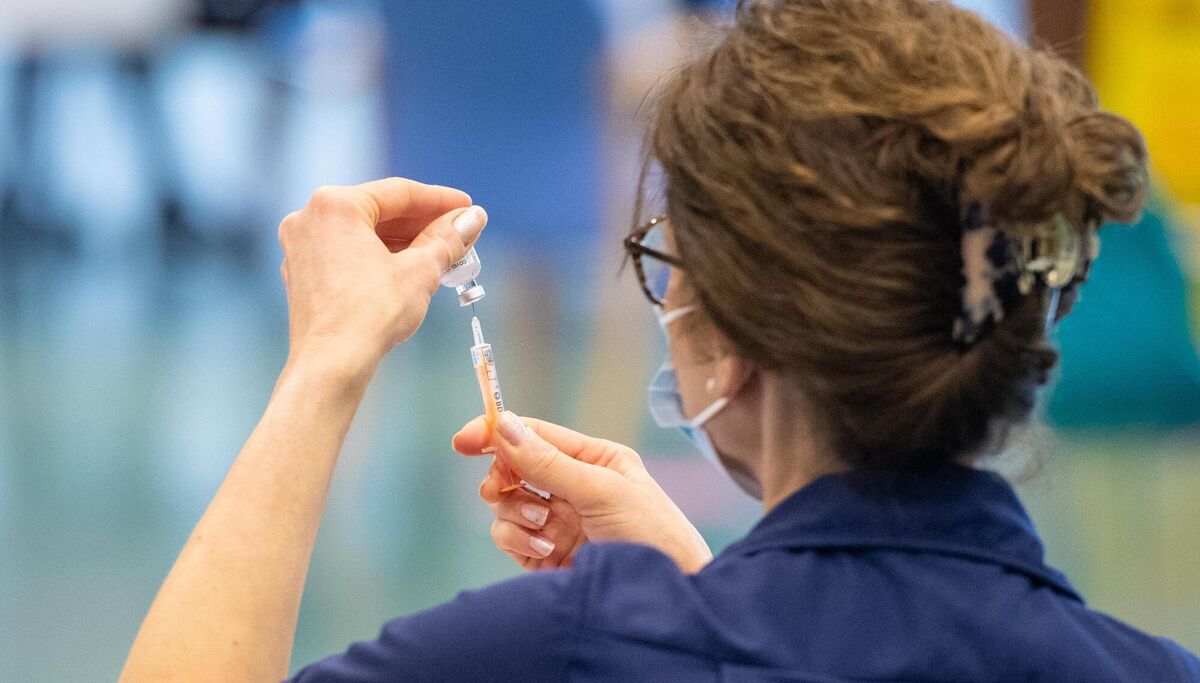
Unilever is also strongly encouraging its employees to get vaccinated against the coronavirus as soon as possible, according to Mr Jope.
“We want to make sure that vaccine hesitancy is not alive and well in Unilever.”
Mr Jope, whose company also makes Lipton tea and Ben & Jerry’s ice cream, said Unilever would do what it can to make vaccines available to its workers, but “in a very principled way”.
“I don’t want any of my employees to be jumping the queue on frontline medical workers or vulnerable people,” he said.
For employees who decline the vaccine, rapid testing could be used to keep workplaces safe.
“We will not be mandating vaccines for anyone. We don’t believe that is right,” he said.
Unilever’s office workers will be largely working from home during the current first quarter and then moving to a hybrid model where workers split their time between the office and home.
Unilever is testing a four-day work week this year in New Zealand.
Mr Jope said Unilever's business in northern Asia is almost back to usual. He also said the pandemic has taught the company that it can convert factories to make what takes two months to two days.
He said the pandemic has made a lot of hierarchy across the organisation disappear within the company.
Before Christmas, Unilever said it expects sales of its plant-based meat and dairy products to reach €1bn over the next five to seven years, helped by growth of its Vegetarian Butcher brand and vegan varieties of Hellmann's mayonnaise and Magnum and Wall's ice cream.
The target supposes a quintupling of the business, the company said.
Plant-based meat and dairy products have been one of the fastest-growing packaged food areas. But US player Beyond Meat surprised investors in November with lower-than-expected sales and a quarterly loss.
CONNECT WITH US TODAY



Be the first to know the latest news and updates