Government opts for outsider as new Central Bank governor
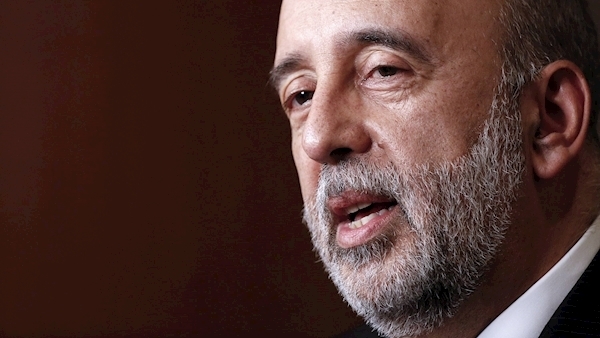
The Government has looked outside the country and named a New Zealand government official as the governor of the Central Bank.
The appointment of Gabriel Makhlouf, who also worked as an official for former British Chancellor Gordon Brown, to replace Philip Lane was a surprise because it was expected to opt for an internal candidate.
Mr Makhlouf's extensive curriculum vitae also includes a stint as chair of the OECD's committee on fiscal affairs, the world's main tax rule-making body.
The announcement of his appointment comes against the backdrop of the Central Bank undertaking enforcement action against the country's main banks in relation to the tracker mortgage misselling scandal; confidence in the eurozone economy lying at a two-year low; and the regulator facing applications from more than 100 financial services firms looking to establish or extend operations in Ireland due to Brexit.
Mr Makhlouf is currently chief executive of the New Zealand treasury and is the chief economic and financial adviser to that country's government.
He will formally succeed Mr Lane as Central Bank governor in September. Mr Lane is set to join the ECB's executive board next month, and serve as its chief economist.
The Central Bank will appoint an, as yet unnamed, interim governor to bridge the gap between Mr Lane leaving and Mr Makhlouf taking office. A temporary governor will be appointed by the time Mr Lane formally leaves in June, the regulator said.
The interim appointee will come from the Central Bank's Commission. This comprises two deputy governors - including Sharon Donnery, favourite for the governor's job in some quarters; the secretary general of the Department of Finance and six members appointed by the Minister for Finance.
Speaking after the Government's special cabinet meeting in Cork, Taoiseach Leo Varadkar said the Central Bank appointment was arrived at in the way any top job appointment should be.
"The logic was that the position should go to the best candidate," the Taoiseach said.
"It wasn’t restricted to Ireland, it wasn’t restricted to any one gender or anyone who was or was not currently working in the Central Bank so it was done really the way top jobs should be filled. There was an open international advertisement, people submitted their CVs, there was a shortlist. There were interviews, and the interview panel recommended one name to Government and that name was accepted by Government."\