Paschal Donohoe urged to stick to €1.7bn budget plan
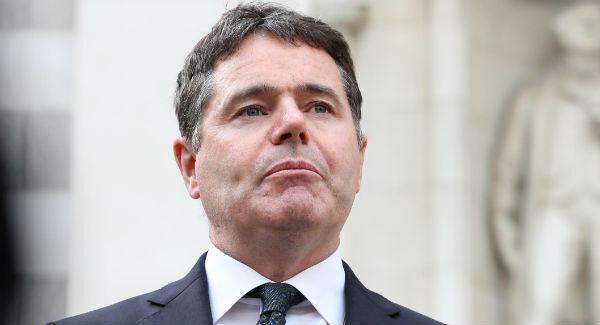
Finance Minister Paschal Donohoe will be safe from potential EU spending breaches if he sticks to an early summer plan for a package of €1.7bn in tax and spending measures in his first budget next month, according to the Irish Fiscal Advisory Council,
In its pre-budget statement, the watchdog repeated its warning that Mr Donohoe has less room than may appear due to the carryover costs of spending commitments the Government made in earlier years.
The full-year costs of earlier tax cuts and pension increases, and the cost of the new public sector pay deal, as well as the costs of an ageing and growing population, mean the Government effectively has only €500m of the €1.7bn for new measures, if it is to adhere to the EU fiscal rules, according to the council.
It said that sticking to the EU rules does not automatically restrict the amount the Government will have to spend on capital projects in the coming years.
Capital spending is due to rise “very rapidly” by 2021 and that implies the Government can sanction increases in infrastructure spending without falling foul of the rules, said council chairman Seamus Coffey.
The statement comes as new exchequer figures showed that overall tax revenues in August exceeded expectations for the month but are also running below target for the full eight months of the year.
Income tax, the largest of the big four tax sources, fell slightly short of target in August. But at almost €12.22bn, income taxes brought in €221m less in revenue than expected over the first eight months of the year.
The performance of Vat revenues, which had caused some concerns earlier this year, appear to be on a healthier path.
In a non-Vat month, they contributed €234m to the coffers, and, at over €9bn for the first eight months, have exceeded targets set by the Department of Finance.
Corporation tax, which was a star performer over recent years as multinationals scrambled to rearrange their global tax affairs, brought in €322m in the month, exceeding the August target by over 33%.
At almost €3.93bn, corporation revenues also exceeded targets over the first eight months.
Another of the rich sources of tax revenues, excise duties, brought in only €441m in August.
At €3.76bn, excise revenues are now running almost 3% below target over the first eight months.
Mr Coffey said there was little sign of weaknesses in the overall tax revenues.
More than a year after the UK’s referendum, Britain’s plans to leave the EU do not appear to be weighing to any significant amount on the Government’s tax revenues so far, he said.
Meanwhile, government spending was “under control”, said Davy Stockbrokers.
Voted spending of €19.15bn over the first eight months was €233m below target, but is running at €1.44bn above the level of a year earlier, said the Department of Finance.
“What it likely all means is that most taxpayers will see only very modest tax cuts in this year’s budget,” said Grant Thornton tax partner Peter Vale.
“The expectation is that middle-income earners will be the biggest beneficiaries, with little to suggest any cut to the top marginal income tax rate will be accommodated in this budget.”
This story first appeared in the Irish Examiner.

CONNECT WITH US TODAY



Be the first to know the latest news and updates