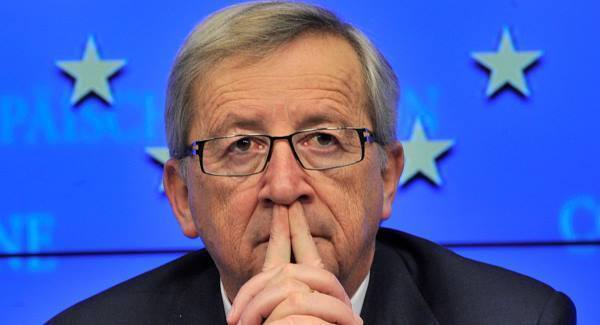
UK warns of 'consequences' if Juncker becomes EU commission president
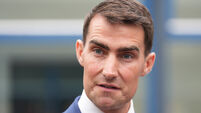
The Taoiseach is continuing a two-day summit in Brussels this morning where heads of state and government will decide on candidate for the next commission president.
The 28-member EU council is likely to vote on the matter, following opposition from British Prime Minister David Cameron over the likely candidate Jean Claude Juncker.
Mr Cameron has warned fellow EU leaders of “consequences” if they press ahead with plans to nominate Mr Juncker, whom Britain regards as an obstacle to reform and an arch-federalist, as president of the European Commission.
Mr Cameron insisted he was “completely unapologetic” about his outspoken opposition to the appointment of the former Luxembourg premier, which has left him isolated at a two-day summit of the European Council.
Enda Kenny has fully endorsed Mr Juncker's candidacy. The Taoiseach has also said he has not fully decided who Ireland's next commissioner will be, but that he has already spoke to Mr Juncker about a senior post in the next commission's term for Ireland.
Mr Juncker’s nomination to the EU’s top job is expected to be confirmed in an unprecedented vote in Brussels today, breaking a decades-old tradition that the Commission chief is chosen by consensus of the EU’s national heads of government.
But Britain insists that its dissatisfaction with Mr Juncker is “not a unique view” and that privately other capitals have misgivings about his candidacy.
Amid widespread reports that Mr Juncker’s liking for “a cognac at breakfast” were causing concerns in Brussels, one European diplomat said: “His alcohol consumption has been raised by a number of leaders since the (European) parliamentary elections.”
With Chancellor Angela Merkel throwing Germany’s weight behind Mr Juncker - despite reportedly assuring Mr Cameron initially in private that he would not get the job – and other potential allies such as Sweden and Netherlands also dropping their opposition, only Hungary remained as a possible partner for Britain in voting against his installation.
But Mr Cameron said he continued to believe his fellow leaders were making a “mistake” and that choosing Mr Juncker – candidate of the largest political grouping in the European Parliament, the centre-right EPP – would be “bad for all of Europe”.
In an apparent swipe at leaders who have voiced disquiet behind closed doors, Mr Cameron said: “It’s very important in Europe that you say what you say in private and it’s the same as what you say in public.”
Asked whether there could be consequences if the other 27 leaders refuse to accept the need for consensus, the Prime Minister said: “Everything has consequences in life.
“Obviously, I think proceeding in the way that countries are planning to proceed in choosing this individual, I believe that this is the wrong approach. And I think that would be bad for... all of Europe.”
Mr Cameron made clear that defeat in Brussels would not affect his determination to press ahead with renegotiation of Britain’s EU membership, followed by an in/out referendum in 2017, if Conservatives win next year’s general election.
“Does any of this mean that we do not get a renegotiation? No,” he said. “Does it mean we don’t get a referendum? No.”
Mrs Merkel appeared to offer an olive branch to Mr Cameron as she arrived for talks with fellow centre-right leaders ahead of the summit, saying that there was room for a “good compromise for the UK” in a document setting out the EU’s strategic agenda for the next five years.

CONNECT WITH US TODAY



Be the first to know the latest news and updates