Greek recession will extend into next year
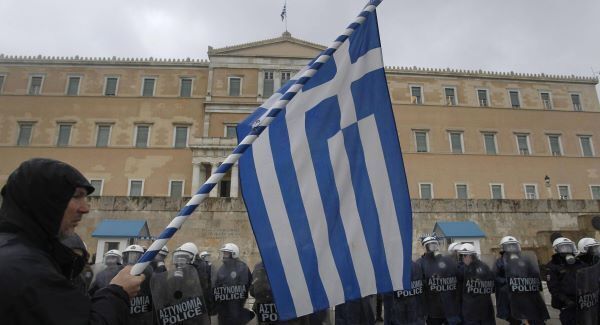
Greece’s brutal recession is set to extend into a sixth year in 2013, according to forecasts in the new draft budget submitted to parliament.
The economy is expected to contract by another 3.8%, on top of this year’s 6.5 %. Unemployment is predicted to rise to 24.7% in 2013 from an average 23.5% in 2012.
The budget sees Greece’s government still running at a loss despite waves of spending cuts and tax rises over the past two years, as it has struggled to meet the terms for rescue loans from other eurozone countries and the International Monetary Fund.
The deficit for 2012 is expected to stand at 6.6% of GDP, improving slightly to 4.2% next year.
Greece still has a primary deficit – which excludes interest rates paid on existing debt – of 1.4% of GDP this year, disappointing earlier forecasts for a surplus. That is expected to improve in 2013, when the budget projects a small primary surplus of 1.1% of GDP.
The budget includes about more austerity measures for next year. They are part of a package of spending cuts and tax rises for 2013 and 2014 that Greece’s international creditors have demanded in exchange for continued payout of the rescue loans that are protecting the country from a messy default.
Cuts include pensions, state salaries, healthcare, education and defence.
Finance Minister Yannis Stournaras submitted the draft budget to parliament after talks with debt inspection teams from the IMF, European Central Bank and European Commission – known as the troika.
Negotiations with the troika continue on the details of the two-year austerity package, meaning some of the details in the draft budget could be amended. Parliament usually votes on the budget in December.
About 30 protesters, mainly from the small right-wing Independent Greeks party, gathered outside the finance ministry. “Bastards, the gallows are coming,” they chanted.
Austerity talks involving the troika and three political parties backing Greece’s four-month-old coalition government have dragged on for weeks, with disagreement over how the cuts will affect low-income Greeks suffering under recession.
Conservative prime minister Antonis Samaras, in a weekend newspaper interview, argued the country was showing its rescue lenders that it is serious about its reforms.
“Our partners can see that changes are now happening. The first thing we must do is win back our damaged credibility … Without credibility, you can’t negotiate,” he said.


CONNECT WITH US TODAY



Be the first to know the latest news and updates