IMF: Political weakness hampering recovery
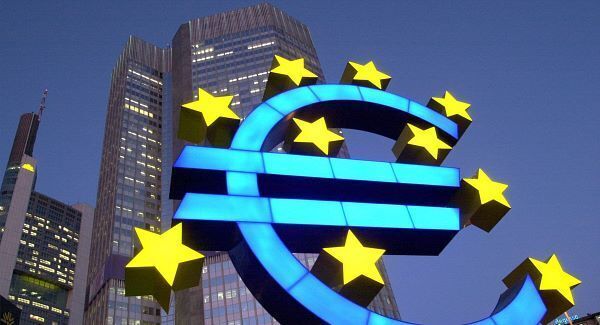
Political fighting is hampering efforts to restore the battered financial sector, the International Monetary Fund (IMF) warned today, as it estimated the eurozone debt crisis puts banks in danger of losing up to €300bn.
Financial markets have begun to question the ability of political leaders to take the action needed to provide a lasting solution to the economic problems in the eurozone and the US, the IMF said.
The “political weakness” comes as market turbulence from the eurozone, a credit rating downgrade for the US and signs of a global economic slowdown shocked the global financial system, the IMF said.
Elsewhere, the IMF estimated that the sovereign debt crisis in Europe had added €300bn to the risk exposure of banks in the European Union.
The IMF is holding its annual meeting at the end of this week in Washington DC. The meeting brings together finance ministers and central bankers from around the world.
The Global Financial Stability report comes a day after the IMF published its World Economic Outlook, in which it warned the economic recovery had entered “a dangerous new phase” and slashed growth forecasts for the UK and countries across the world.
Political differences within countries hit by the euro-zone debt crisis and among countries called upon to help have hindered progress, the IMF said.
The Greek cabinet was meeting as the report was published to discuss speeding up austerity measures to persuade the European financial leaders to release further bailout funds.
The Greek government needs the 8 billion euro (£7 billion) payout to cover bills, including public sector wages and pensions, or it faces a debt default which could ripple through Europe and the world.
Italy saw its credit rating slashed by Standard & Poor’s, fuelling fears of debt contagion spreading throughout the euro-zone.
The IMF report said: “This environment of financial and political weakness elevates concerns about default risk and demands a coherent strategy to address contagion and strengthen the financial system.”
Meanwhile, the IMF said the US is faced with growing doubts over the ability of the political process to find the tax and spending plan needed to ensure global financial stability.
The US government came close to defaulting on its debts last month as President Barack Obama and the Democrats battled with Republicans to lift the country’s debt ceiling.
A bill was eventually passed on condition of making trillions of dollars of savings over the next decade – but the relief was shortlived after Standard & Poor’s downgraded the US’s credit rating.
The IMF warned: “Risks are elevated and time is running out to tackle vulnerabilities that threaten the global financial system and the ongoing economic recovery.”
The World Economic Outlook said policymakers should pay particular attention to the euro-zone crisis and weak activity in the US, which both threaten global growth.
Meanwhile Greece has pledged to do "anything" to stay in the eurozone and gain access to bankruptcy-saving loans.
The Greek Finance Minister told parliament today that slippage from fiscal targets would not be allowed to endanger the country's future in the eurozone.
The government is reported to be preparing additional pay and pension cuts and layoffs in the civil service on top of a controversial property tax announced last week.
Unions responded by announcing new strikes for next month against the painful austerity measures being imposed.