Estonia joins the eurozone
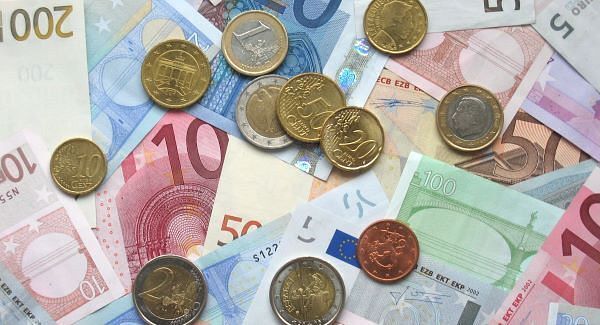
The Baltic state of Estonia early today became the 17th European Union member to adopt the euro.
The small nation’s decision to change from the Estonian kroon to the euro was the final step in a two decade-long effort to integrate its economy with Europe after it achieved independence in 1991.
It is the first former Soviet republic to join the single currency club.
The inclusion of Estonia, a minuscule 19 billion US dollar economy, in the €12.5 trillion area is being touted for its symbolic importance after the currency was battered throughout 2010 by bad news.
Two members – Ireland and Greece – required international bailout funds to avert bankruptcy.
Estonia could be the last new entrant for several years as all other potential newcomers from Eastern Europe either shy away from adopting an unpopular currency or fail to meet criteria on budget deficits and inflation.
European Commission President Jose Manuel Barroso welcomed Estonia to the euro zone hours before the midnight changeover, saying the currency switch would boost the nation’s economy and send a powerful message to all EU members.
“It is a strong signal of the attraction and stability that the euro brings to member states of the European Union,” Mr Barroso said in Brussels.
Leaders of Germany and France, the euro zone’s powerhouses, also made laudatory New Year’s statements in support of the common currency after the worst year in its 12-year history.
“My dear compatriots, don’t believe those who propose that we get out of the euro,” French President Nicolas Sarkozy said in a televised address to his nation. “The isolation of France would be madness. The end of the euro would be the end of Europe.”
In her appeal to Germany on Thursday, Chancellor Angela Merkel called for strengthening the euro, which is now the main currency for 330 million Europeans.
“This is not just about our money – the euro is far more than a currency,” she said. “The euro is the basis of our prosperity.”
Estonia’s leaders and many economists believe the country’s economy, which contracted a staggering 14% in 2009, will benefit with the euro, though the country still has painful structural reforms to implement before reaching western European living standards.

CONNECT WITH US TODAY



Be the first to know the latest news and updates











