ECB leaves interest rates unchanged
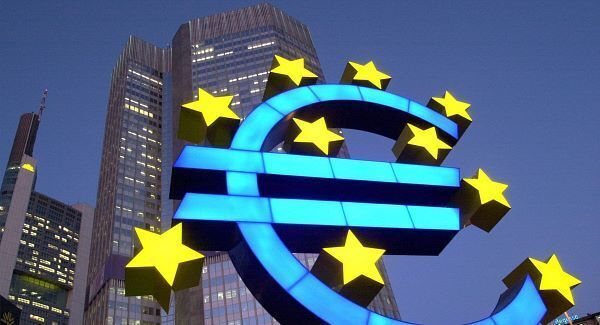
The European Central Bank (ECB) at a meeting of its Governing Council today opted to leave its benchmark interest rate unchanged at an historic low of 1%.
The decision had been widely expected and keeps the ECB's low-interest rate policy intact with rates having fallen from 4.25% in 2008 to their present record low.
The move is good news for Irish mortgage holders but chief economist with KBC Bank Austin Hughes says homeowners can expect increases sometime next year.
"The ECB is a little more positive on the outlook for the economy; so people will read from that that interest rates will probably be going up some time in 2010" he said.
"But it's likely to be later in the year, rather than anytime soon" he added.
Speaking at a press conference following the meeting ECB President Jean-Claude Trichet said the current rates remain appropriate.
"The incoming information and analyses that have become available since our meeting in early
October have confirmed our expectations."
"The Governing Council expects the euro area economy in 2010 to recover at a gradual pace, recognising that the outlook remains subject to high uncertainty," Mr Trichet said.
"Medium to longer-term inflation expectations remain firmly anchored in line with the
Governing Council’s aim of keeping inflation rates below, but close to, 2% over the medium
term."
Mr Trichet said the bank expected low inflationary pressure over the medium term, as money and credit growth continues to slow down.
However he warned that many euro area governments are faced with high and sharply rising
fiscal imbalances
"If not addressed by a clear and credible exit strategy, this could seriously risk undermining public confidence in the sustainability of public finances and the economic recovery," Mr Trichet said.
The bank called on governments to implement fiscal exit and consolidation strategies based on realistic assumptions of growth, with a strong emphasis on expenditure reform.
Mr Trichet also urged efforts to create sustainable growth and employment, including policies that enhance competition and innovation, in order to avoid higher structural unemployment over the coming years.
"An appropriate restructuring of the banking sector should also play an important role," Mr Trichet said.