Warning as oil prices hit record high
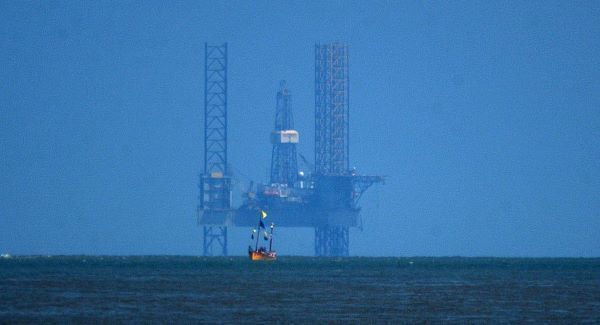
Oil prices set a new record above US$146 a barrel today as the British prime minister Gordon Brown warned they could carry on rising for years to come.
Brent crude for August delivery traded in London reached US$146.69 before easing back slightly. Prices broke through US$145 earlier today.
Brown told MPs rising demand for oil from Asia meant that the current pressure on prices could remain in place over the long term.
“If demand succeeds supply and is likely to exceed supply for years to come, people will expect the price to rise,” he told the Commons Liaison Committee.
Crude’s latest jump came ahead of an expected hike in interest rates by the European Central Bank today, which would likely weaken the dollar and tempt more investors into commodities such as oil.
There was also a bigger than expected drop in US oil stocks, which fell by two million barrels last week, according to the US Energy Department. This was about 800,000 barrels more than analysts had predicted.
Light, sweet crude sold on the New York Mercantile Exchange also reached a new high of US$145.85 a barrel as a result.
Today’s latest price records means the cost of oil has risen by more than 50% since the start of the year.
Data from website petrolprices.com showed a litre of unleaded petrol cost an average of 119p in the UK yesterday, with diesel prices averaging 132.3p. These are both up 16% and 23% since the beginning of the year.
Yesterday saw British hauliers descend on the streets of London to protest at the rising prices.
Mr Brown also gave his strongest signal yet that the British government will not go ahead with the planned 2p-a-litre increase in fuel duty due in the autumn - something repeatedly called for by organisations such as the AA.
He said: “I think you will find that in most years since 2000 that the duty has actually been frozen.”
Stock markets across Europe were in negative territory today as investors digested the impact of oil’s relentless rise.
London’s FTSE 100 index was down around 0.5%, with Frankfurt’s Dax nearly 1% worse off and Paris’ CAC 40 0.5% down.
Higher oil prices feeding through to fuel, energy and raw materials costs have been a main driver in soaring inflation.
This could lead to an interest rate rise from the Bank of England as policymakers battle to bring inflation back to its 2% target.

CONNECT WITH US TODAY



Be the first to know the latest news and updates











