Visa: Retail spend weak
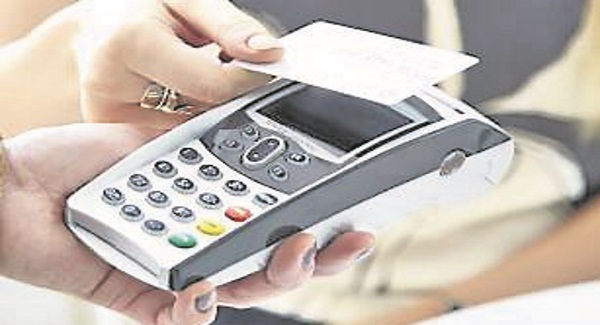
Its latest survey showed annual growth slowed to just 1% in the three months to the end of June.
The pace of growth has slowed for the fourth successive quarter.
It comes after KBC Bank Ireland and the Economic and Social Research Institute said consumer confidence showed âa surprisingly sharp riseâ last month, possibly because fears of a hard Brexit had eased following the inconclusive result of the UK general election at the end of May.
Nonetheless, KBC said its own survey showed âa solidly improving Irish economyâ but did not rule out a reversal in the months ahead if there is no âdramatically positive news on the Irish economy or a significant improvement in household financesâ.
The Government will increasingly be looking to consumer spending and Vat receipts to help achieve its fiscal goals, as Finance Minister Paschal Donohoe prepares his first budget in October.
In the so-called summer statement, Mr Donohoe will issue the Governmentâs latest economic forecasts and fiscal plans today.
Visa reported that face-to-face spending at bricks-and-mortar stores slowed for the ninth month in a row, while online spending increased. âWhile this was the quickest rate of expansion in the past three months, the quarter overall was the weakest of the series to date since the index began almost three years ago,â said Visa.
Of eight consumer spending areas, only spending on transport and communication fell, while spending on household goods, hotels, and restaurants rose sharply.
âAfter spiking in February 2016, the growth in Irish consumer spending has gradually levelled out, with the last quarter representing the weakest degree of expansion since we began the index,â said Visa Irelandâs Philip Konopik.
âThere was an uptick in June and it will be interesting to see if this leads to further expansion over the summer or whether consumer confidence becomes more cautious given the potential for future shocks.â
Separately, a survey by Irish Life said that about two-thirds of Irish people are âactively savingâ, but a third say they have no money to save.