Euro falls below 84p
After one Bank of England policymaker voted for a rate rise in March, investors will be watching the bank’s “Super Thursday” for any signs of change in the Bank’s stance of keeping UK interest rates at record lows.
Inflation has overshot the bank’s 2% target, but some say its surge could be limited by sterling’s bounce after UK Prime Minister Theresa May’s announcement of a June general election.
The pound rose as much as 0.4% to $1.29, still stuck below the $1.30 level, which analysts have said is a key “psychological” level for the currency.
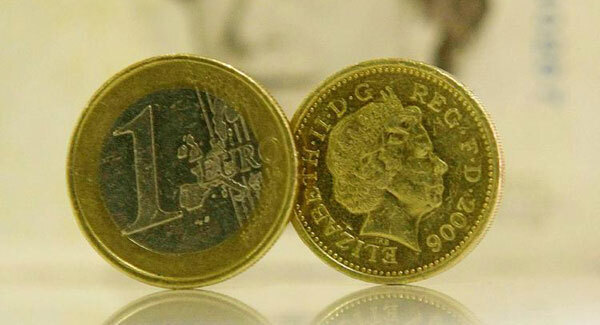
It rose 0.3% to hit a three-week high of 83.8 pence per euro. A weaker euro helps Irish exporters to sell goods and services into Britain. The euro had risen to 91 pence late last year following the UK’s vote in June to leave the EU.
“The focus now is really on the Bank of England, and maybe that could be an explanation (for sterling strength),” said Richard Falkenhall, currency strategist with SEB, noting policymaker Kristin Forbes’ vote for a rate hike in March and the possibility that other members of the bank’s rate-setting committee could follow suit.
“It could also be as simple as there is right now a silent period, so to speak, when it comes to the Brexit negotiations because of the UK election.”
Ms May pledged to cap household energy prices if she is re-elected on June 8, a promise strategists at MUFG said could have positive implications for the pound.
“Given the drop in crude oil prices and the appreciation of the pound since the turn of the year, the value of crude oil in pounds is dropping sharply, this means the sterling devaluation lift to energy inflation is reversing as quickly now as it jumped last year post-referendum,” they wrote.
“Now with this announcement of the energy price cap, the government is looking at avoiding a repeat of the price surge in 2011-2012 that hit the UK economy hard.”
Traders have dialled back their expectations of sterling weakness after Ms May called for the snap election.
Data published last week showed speculators trimmed their short positions on the pound for a third week in a row, to a two-month low of 81,364 contracts.
Reuters and Irish Examiner staff

CONNECT WITH US TODAY



Be the first to know the latest news and updates