Brexit price hikes eat into wages growth in Britain
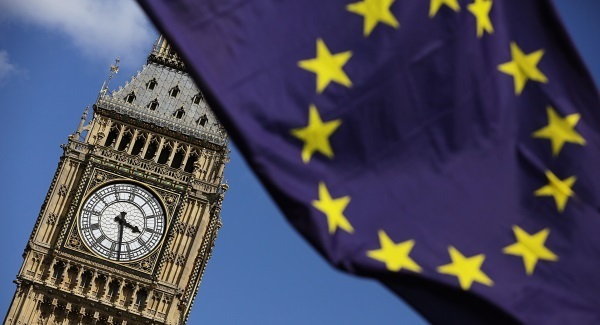
Inflation-adjusted pay growth inched up just 0.2% over the period, the weakest increase since mid-2014, official data showed. The figures drove home how households are grappling with rising prices in shops, exacerbated by sterling’s plunge that followed last year’s vote to leave the EU and by rising global oil prices. The unemployment rate in the period between December and February held steady at an almost 12-year low of 4.7%.
“Big picture remains a labour market with very strong employment plateauing at record highs... combined with a pay disaster,” Torsten Bell, director of the Resolution Foundation think tank, said on Twitter.
Sterling hit its highest level in over a week against the US dollar after the figures as investors focused on a slightly stronger-than-expected rate of nominal pay growth.
Earnings including bonuses rose by an annual 2.3% in the three months to February, unchanged from the previous period, the UK’s Office for National Statistics (ONS) said.
An expected further rise in inflation is raising the prospect that wages, in real terms, will soon start to contract, as they did in most of the years since the 2008-2009 recession.
Consumer price inflation stood at 2.3% in the 12 months to March and the Bank of England expects it to approach 2.7% by the end of this year. Many private economists expect inflation will surpass 3% this year.
After Britain’s economy withstood the initial shock of the Brexit vote last year, economists have reined in their forecasts for how much unemployment is likely to rise.
But the ONS said the number of unemployment benefit claimants - which is a potential early warning sign of an economic downturn - rose by 25,500 to 765,400 in March, the largest increase since July 2011.
The number of people in work increased only modestly by 39,000 although the employment rate of 74.6% was a joint record high.