Growth prospects rise but warning lights flash red
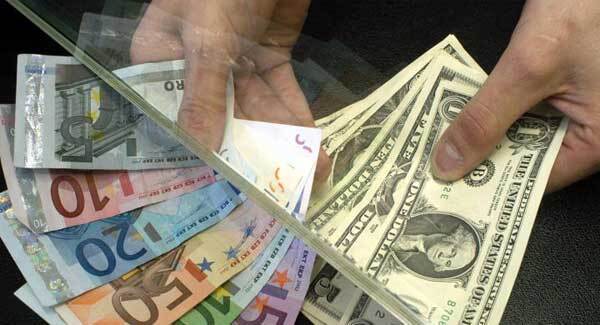
The JP Morgan Global Composite purchasing managing index hit its highest level in over a year in December, with the manufacturing index reaching a two-and-a-half year high.
National business and consumer surveys in many countries also finished the year on an upbeat note.
The Organisation for Co-operation and Development and the IMF have been forecasting that global growth will strengthen in 2017 and 2018 on the back of a loosening of fiscal policy, continuing very accommodative monetary policies and a recovery in commodity prices, which should help many emerging economies.
Labour markets are also improving, as unemployment continues to fall.
Markets share this optimism, with a strong finish to 2016 on stock markets, upward pressure on bond yields, higher oil prices, and a strong dollar.
Nevertheless, risks remain for the global economy and 2017 could prove to be a year of considerable danger for financial markets as they navigate on-going challenges.
Donald Trump’s election victory had a big impact on markets, but it is unclear what his presidency will bring.
His domestic policies are pro-growth, but there are risks attached to his trade and foreign policies.
Brexit could become an issue of major concern as the year progresses, with the EU-UK negotiations likely to prove fraught.
Another key issue for markets is likely to be the pace of US central bank tightening, especially if interest rates rise by more than expected.
Indeed, events and moves on markets last week provided a reminder, if any was needed, that 2017 could be an eventful year with the optimistic disposition that had carried over from the end of 2016 into the opening days of 2017, coming under some pressure.
There was increased volatility on markets.
Equity markets were on the defensive for much of last week, while both the dollar and sterling experienced some weakness.
As a result, the euro managed to trade higher, regaining ground against the dollar and trading above 88 pence against sterling.
Meanwhile, US Treasury bond yields fell back, in another sign of more cautious markets.
One source of this increased volatility was the market reaction to the incoming president Trump’s first press conference.
There were no major expectations in the lead up to the event that we would get much in the way of detail in terms of his much touted expansionary fiscal policy stance.
Nonetheless, the lack of meaningful reference to the future direction of fiscal policy combined with the divisive nature of the press conference prompted a frosty reaction from markets, weighing on risk appetite and the dollar.
It was also noticeable last week that sterling continued to be hampered by the spectre of Brexit.
The UK is expected to trigger Article 50 by the end of March which will allow for the commencement of official exit negotiations.
Markets have become increasingly concerned about the lack of clarity on the UK’s negotiating strategy.
Prime Minister Theresa May is expected to set out the UK’s position in a major speech on Brexit today.
All the indications are that she will signal that the UK will leave the EU Single Market and Customs’ Union, implying a hard Brexit.
With the prospect of a hard Brexit becoming more likely, sterling could come under further downward pressure.
It could trade down towards $1.15, and rise back above 90 pence in terms of the euro.
Meanwhile, the dollar looks to have potential for further upside in 2017.
The US Federal Reserve has turned more hawkish on interest rates, even without allowing for the impact of president-elect Trump’s assumed fiscal stimulus.
If his policies are implemented, then the Fed is likely to have to deliver on its rate hike projections and, indeed, it may even have to revise these projections higher.
This scenario is likely to boost the dollar.
Elsewhere, the main area of sensitivity for the euro this year could be heightened political risks, given the rise in support for anti-EU and populist parties.
A combination of elevated political risk in Europe and increasing interest rates in the US could well drive the euro towards parity with the dollar this year.