Trump towers over markets as investors eye minefields
This should make it easier for Mr Trump to implement his policies over the next few years.
Mr Trump is an unknown quantity, as he has not held political office before. His policies in areas such as trade and immigration are controversial.
He is very much seen as an ‘outsider’ and a populist politician who has promised to shake up the system.
For these reasons, a Trump victory was always likely to trigger uncertainty and volatility in markets.
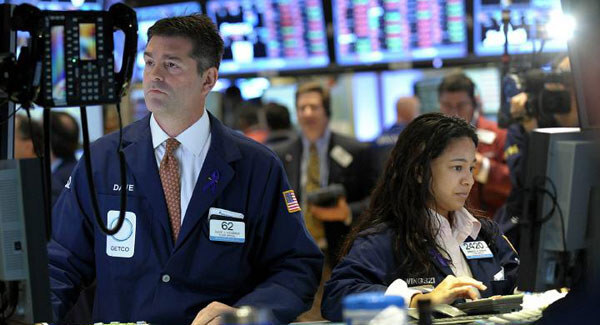
The initial reaction saw safe-haven bond markets rally and stock markets fall, with the Japanese Nikkei down over 5%, while trading in US stock index futures was halted after they declined by over 4%.
The dollar also sold off. However, as markets took a closer look at the policies of the incoming president, these trends reversed.
There was a strong recovery in stock markets, bond markets came under pressure and the dollar made good gains.
The incoming president is proposing sharp cuts in corporate and personal taxes and to expand public infrastructure spending, which will benefit equities.
His plan to cut the top corporate tax rate from 35% to as low as 15% is particularly eye-catching.
He is also proposing to introduce a special once-off tax rate of 10% for US companies that bring their offshore cash holdings back home.
This could see the repatriation of a lot of funds held offshore by major US companies, providing a considerable income boost to the US economy — it could raise household income as a result of higher dividend payments — and see more corporate investment as well as greater share buy-backs.
It would also boost the US currency, as not all of these funds are likely to be held in dollar assets at present.
A concern for markets is Mr Trump’s protectionist policies on trade.
It seems unlikely the proposed trade deal between the US and EU will now go ahead, while he may seek to renegotiate the North American Free Trade Agreement and the Trans-Pacific trade deals, as well as impose tariffs on imports from certain countries.
The Republican Party, though, generally supports free trade and it may be that his proposals on trade and, indeed, immigration will be watered down and not have much of a negative impact on the economy.
Mr Trump’s policies look particularly troubling for bond markets as they are inflationary and will lead to a marked rise in the budget deficit.
The US Federal Reserve is expected to hike interest rates next month and further rate hikes now seem likely in 2017 and 2018.
Markets were looking for the Fed funds rate to rise to around 1% by the end of 2018, from 0.375% at present.
This may well prove too low if Mr Trump starts to implement his policies.
There has been much comment in the past week that Mr Trump’s plans for large cuts in US corporate taxes will result in a big flow of companies and jobs back to the US and have a particularly negative effect on Ireland.
These fears look greatly overblown.
First, Mr Trump may not be able to persuade Congress to cut the corporate tax rate to as low as 15% with the budget deficit on the rise.
Second, his protectionist stance on free trade would suggest that US firms will need, more than ever, to locate abroad to service their overseas markets.
The main reason that most US companies set up operations in Ireland is not to avoid paying US taxes, but because they need a base in Europe to service their markets there.
Ireland is a very attractive destination for US firms locating in Europe given its low corporate tax rate, but they also set up in countries with higher corporate tax rates.
Mr Trump could, though, clamp down on company inversions, a practice that has seen some companies transfer balance sheet activities to Ireland, boosting the corporate tax take here.
This recent spike in corporate tax receipts could unwind if this practice is brought to an end.