UK sales defy Brexit
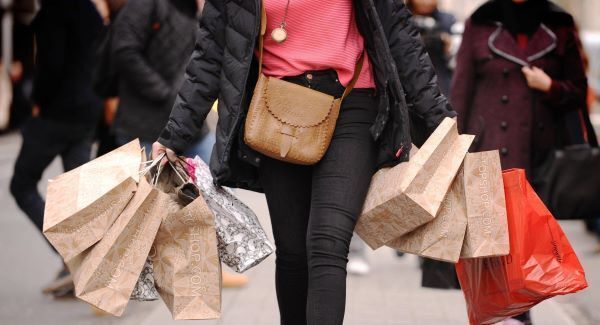
Britain’s statistics agency said consumer sentiment had remained firm since June’s vote to leave the EU, and that the sector would make a robust contribution to economic growth during the third quarter.
“The underlying trend is one of strength, suggesting consumer confidence has remained steady since June’s referendum,” statistician Kate Davies from the Office for National Statistics said.
In the three months to September, retail sales volumes grew by 1.8% on the quarter, the fastest rate since the fourth quarter of 2014 and up from 1.1% in the three months to June. Compared with a year earlier, third-quarter sales volumes were 5.4% higher, again the strongest calendar quarter since late 2014.
The ONS said the biggest monthly falls in sales were for clothing and footwear, which also dropped sharply in August.
Higher prices, and unusually warm September weather which dented the demand for new autumn ranges, were behind the fall, it said.
Figures on Tuesday had shown the biggest monthly jump in clothing prices in several years in September, and the retail sales data showed the smallest drop in stores’ prices in just over two years.
Economists are concerned this marks the start of a longer-term trend of rising prices which will eat into consumer demand, after sterling fell more than 15% following June’s referendum.
Britain’s biggest supermarket, Tesco, had a standoff with consumer goods manufacturer Unilever this month after the latter tried to raise its prices by 10% across the board to preserve its profit margins.
A survey of households published yesterday showed the greatest concern about price rises in two years, and official data earlier in the week showed the biggest monthly rise in the inflation rate since June 2014.
Britain’s biggest supplier of building materials, Travis Perkins, had said that weak demand after the Brexit vote would cause it to miss profit targets and clothing chains such as ASOS, Next and Marks & Spencer are struggling to grow sales.
Britain’s economy expanded by 0.7% in the three months to June, but the Bank of England expects this to slow to 0.3% in the current quarter.