Irish economy ‘faces German and French vote headwinds’
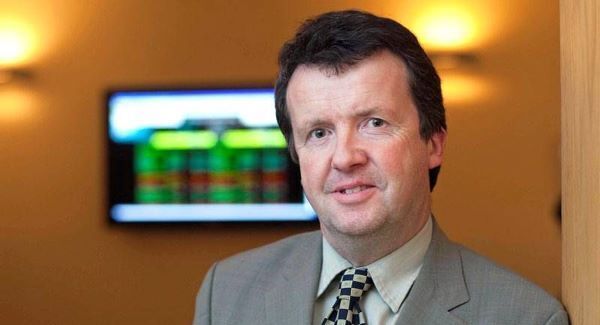
In its latest quarterly outlook, Merrion cut its Irish growth forecast to 3.5% this year from 4.8% in its previous outlook and has pared back 2017 growth to 3.2% from 3.8% previously.
The outcome of the federal election in Germany and the presidential vote in France could well decide the future of the EU and unsettle economies and markets for some time, its chief economist Alan McQuaid warned.
“The world economy has been struggling to regain its equilibrium since 2007, and is at a stage where the recovery is old and tired, as well as vulnerable to unexpected shocks,” he said.
“The international headwinds include the potential for a European recession. Europe has considerable vulnerabilities, of which the banking system is a prime worry. At the same time, structural unemployment remains high, the need for further economic reforms is still unfulfilled and complicated by electoral politics, and debt levels are elevated,” he said.
Meantime, “robust” personal spending was still holding up despite the headwinds the economy faces from the uncertainty about the effects of the Brexit vote on the Irish economy.
The average rate of unemployment will fall to 7.8% in 2017, and to 7.5% in 2018, as domestic demand picks up. Ireland’s jobless rate was unchanged in the month in August at 8.3%.
On Brexit, Mr McQuaid said Irish agri-food and tourism SMEs would likely be hit worse than their big rivals if tough tariffs were raised when London and the EU conclude their negotiations over Britain’s exit from the trading bloc.
He predicts the budget deficit will fall to under 1% of GDP and to 0.5% of GDP in 2017. The annual budget will then swing into a surplus of 0.5% of GDP in 2018.
The huge distortions caused by multinationals to Irish GDP had helped lead to gross debt tumbling to just under 79% of GDP last year from 120% of GDP just three years earlier, Mr McQuaid noted.
Gross debt could fall to 66% of GDP in 2018, he projected.

CONNECT WITH US TODAY



Be the first to know the latest news and updates








