‘Sledgehammer’ rates cut in Bank of England bid to stem slump
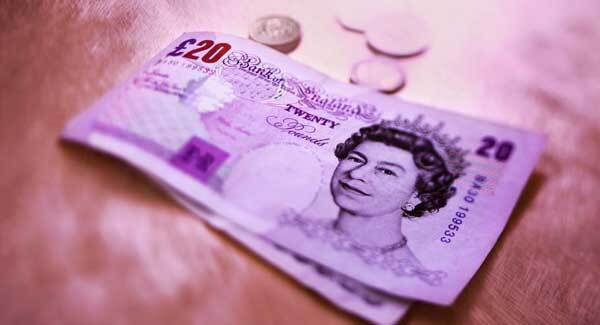
In what one bank dubbed a “sledgehammer stimulus”, the Bank of England cut interest rates 25 basis points to 0.25% and said it would buy £60bn (€71.4bn) of government bonds with newly created money over the next six months.
The bank forecasts the economy will stagnate for the rest of 2016 and suffer weak growth next year. Sterling sunk to 84.8p against the euro; it was 76.5p on the eve of the June 23 Brexit referendum.
The sharp fall in sterling is seen as harming Irish exporters who sell into Britain. Fears of a UK recession in the next few months — which the Bank of England action is designed to prevent — would also damage the Irish economy by reducing demand for Irish goods and services.
Sterling also fell sharply, by more than 1%, against the dollar, while British government bond yields hit record lows and the Ftse 100 rose by nearly 1.4%.
The bank also launched two schemes, one to buy £10bn of high-grade corporate debt and another — potentially worth up to £100bn —to ensure banks keep lending even after the rate cut.
The bank said most Bank of England officials expect to cut the rate to even closer to zero later this year.
“By acting early and comprehensively, the (bank) can reduce uncertainty, bolster confidence, blunt the slowdown, and support the necessary adjustments in the UK economy,” Bank of England governor Mark Carney told a news conference.
Mr Carney said he had unveiled an “exceptional package of measures” because the economic outlook had changed markedly following the Brexit vote.
Chancellor Philip Hammond said he and Mr Carney had “the tools we need to support the economy as we begin this new chapter and address the challenges ahead”.
Mr Carney said he was not a fan of negative interest rates, and he also rejected boosting the economy through “flights of fancy” such as ‘helicopter money’, which is essentially handing out central bank money with no strings attached.
He said commercial banks had “no excuse” not to pass on the Bank of England’s rate cut to customers.
While many business surveys show Britain’s economy has slowed sharply and may even be entering recession, it is too soon for official data on how the EU vote is affecting output. But the Bank of England is worried.


CONNECT WITH US TODAY



Be the first to know the latest news and updates