Treasury releases breakdown of Saudi holdings of US debt
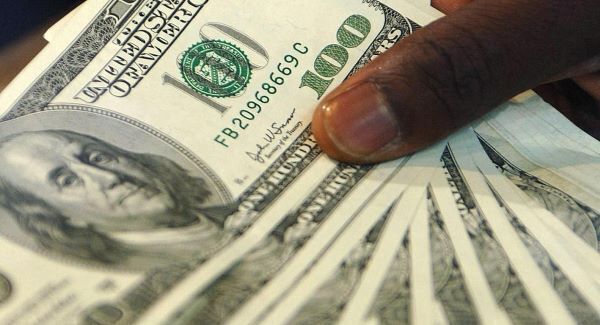
The stockpile of the worldâs biggest oil exporter stood at $116.8bn (âŹ103.2bn) as of March, down almost 6% from a record in January, according to data the Treasury disclosed yesterday in response to a Freedom-of-Information Act request.
The tally ranks Saudi Arabia among the top dozen foreign nations in terms of holdings of US debt, and compares with Chinaâs $1.3tn trove, and $1.1tn for Japan.
Yet the disclosure may bring more questions than answers, because Saudi Arabiaâs foreign reserves amount to $587bn, and central banks typically put about two-thirds of their coffers in dollars, according to International Monetary Fund data. Some nations accumulate Treasuries in offshore financial centres, meaning the holdings show up under the data of other countries.
For example, Belgium, which held $143bn of US government debt as of February, is home to Chinese custodial accounts, analysts say.
âAs we look at official and central bank and investment holdings of Treasuries around the world, weâve seen a lot of fluctuations, weâve seen a gradual erosion of positions that have been held for some time,â said Jim Vogel, head of interest-rate strategy at FTN Financial in Memphis, Tennessee.
The impact of those reductions has been mitigated by purchases by overseas private investors, he said.
In a sign that Treasuryâs figures on the kingdomâs ownership fall short of the full tally, the New York Times reported last month that Saudi officials threatened to sell $750bn of Treasuries and other assets in the US if Congress enacts a bill allowing the monarchy to be held responsible in American courts for any role in the 9/11 terror attacks.
Calls and e-mails to the Saudi Finance Ministry and the Saudi Arabian Monetary Agency outside of regular working hours were not answered or returned.
The US started releasing data on foreign ownership of Treasuries in 1974.
Since then, the Treasuryâs policy had been to not disclose Saudi holdings, and it grouped them instead with those of 14 other mostly OPEC nations, including Kuwait, Nigeria and the United Arab Emirates, Bloomberg reported in January.
The group held $281bn as of February, down from a record of $298.4bn in July.
For more than a hundred other countries, from China to the Vatican, the Treasury had provided a detailed monthly breakdown of how much US debt each owns.
The special arrangement was a product of the 1973 oil shock following the Arab embargo.
It is among concessions that US administrations made over the years to maintain Americaâs strategic relationship with the Saudi royal family and access to the kingdomâs oil reserves.
The question of Saudi holdings of Treasuries is gaining importance as the monarchy faces fiscal pressure from the decline in oil prices and costly wars in the Middle East.
In the past year, Saudi Arabia burned through 16% of its foreign-exchange reserves to plug its biggest budget shortfall in a quarter-century, according to data from the kingdomâs central bank.
The signs of strain are prompting concern over Saudi Arabiaâs potential influence on the worldâs largest and most important bond market.
Saudi holdings of Treasuries peaked at $123.6bn in January, the data released yesterday show.










