Irish economy ‘most vulnerable’ to British exit
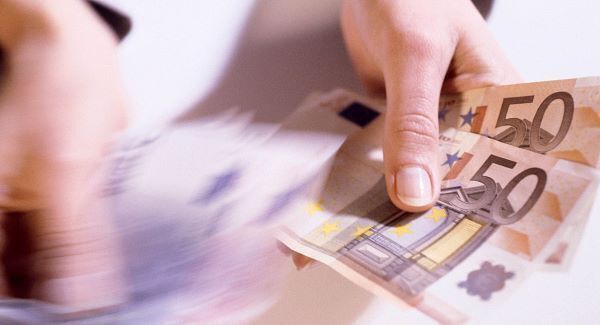
Research by Oxford Economics into the potential Irish impact should UK voters choose to leave the EU identifies Ireland as the sole economy outside Britain that could be significantly impacted by such a decision.
The study found that, in the worst-case scenario, up to 2.2% could be wiped off Irish GDP rates “in the long run”.
The economy is forecast to expand 4.8% this year and 4.1% in 2017. The cost to small Irish businesses could be even greater should voters opt out of the EU in June’s referendum, according to the Small Firms Association (SFA).
Some smaller Irish firms could even be put out of business by Brexit, said SFA assistant director Linda Barry.
“Trade between the two countries directly supports over 400,000 jobs — half of them in Ireland,” said Ms Barry.
“For small Irish businesses looking to expand, the UK is often their first export market and 43% of exports from indigenous Irish companies are destined for the UK.
“The UK is a strong voice for free trade, reduction in red tape and other pro-enterprise policies at EU level. For all of these reasons, it is in the interests of the Irish small business community that the UK remains in a reformed EU.
“Small firms do not have the same degree of mobility, flexibility and diversification that may help larger businesses to navigate the risks posed by a UK exit from the EU.
“Small businesses may be dependent on a UK supplier, investor or market, which means their very survival hangs in the balance.”
Uncertainty around the UK’s continued membership of the EU has already caused difficulties for business here with the value of sterling falling since late last year, making Irish exports more costly.
The Oxford Economics research found that, “in any plausible scenario”, the UK economy would shrink post-Brexit.
A clampdown on immigration would leave a funding gap of £22bn to £30bn that would need to be plugged by spending cuts or tax increases from 2030.
While specific policies could limit the impact of leaving the EU, many of these are behind euro- sceptics’ desire to leave the union in the first place.
“The long-term impact of Brexit on the UK need not be severe,” Oxford Economics associate director Henry Worthington said.
“But benign scenarios involve retaining some of the least popular aspects of EU membership: Continued high levels of immigration, restrictions on our ability to make trade deals with non-EU countries, and continuing to pay money to Brussels.”
While none are positive for overall GDP, the most benign scenarios rely on achieving a settlement similar to the status quo — placing little or no restriction on EU immigration, while continuing to contribute to the EU budget at a reduced rate or retaining membership of the customs union, thereby foregoing the opportunity to make bilateral trade deals with other countries.
The report concluded such policies are unlikely to be politically viable after a vote to leave.
It also found fiscal savings from the elimination of EU budget contributions would be a false economy.
CONNECT WITH US TODAY



Be the first to know the latest news and updates