No silver bullet to fix housing crisis
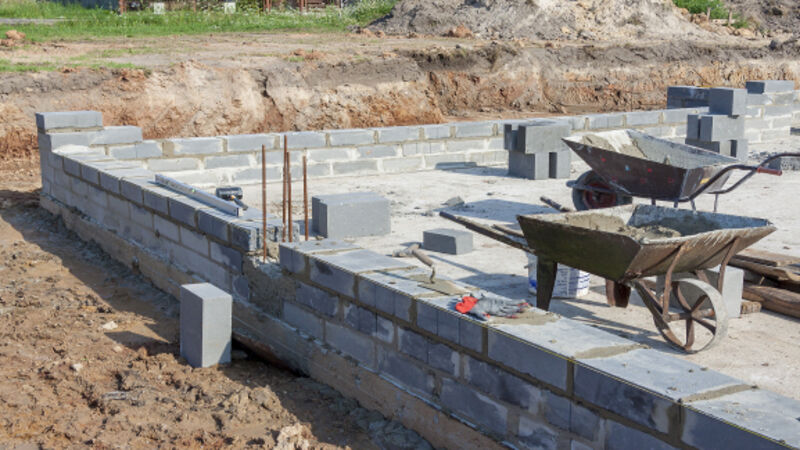
Somewhat amazingly, less than a decade after one of the biggest house building booms that any developed economy has probably ever experienced, Ireland is now faced with a considerable shortage of housing.
This either suggests that the demand for housing has boomed over the past decade and soaked up all of the excess supply, or that many of the houses were built in areas where demand does not exist. I suspect it is a lot more of the latter rather than the former.
We are now in a situation where demand for private owner-occupied housing is totally outpacing supply in certain parts of the country; there are long social housing waiting lists all over the country and private rents are spiraling in the face of strong demand and inadequate supply.
There are many explanations for these market conditions. House building fell off a cliff after 2007 and while demand went into hibernation due to the awful economy, it did not go away, not least because of our unique demographics.
With economic circumstances improving and confidence about the future improved, pent-up demand is coming back into the market, and there is simply not enough supply to meet that demand.
Some are apportioning a lot of the blame on the prudent regulations that the Central Bank introduced just over a year ago and which will be reviewed during the coming summer.
On the rental side, the market has been very poorly regulated, unprofessional and occupied by many ‘amateur landlords’. The balance between the rights of tenants and landlords is all over the place. On the social housing side, the failure of local authorities is now starting to bite.
There are many well-known and understood bottlenecks that are preventing adequate supply from coming on stream. A fundamental point is that the economics of delivering residential housing are not very compelling at the moment given the cost of development and prevailing house prices.
Planning also needs to be looked at as a matter of urgency.
It has often been argued that the market needs more internal mobility. This alludes to the fact that there are elderly single people and couples living in large houses after their families have moved on.
The argument is made that such people should be encouraged to trade down to smaller houses or apartments, thereby freeing up larger houses for young families.
In a report this week, the ESRI sought to quantify how many such houses there are, and the answer is not as many as some think.
They found that many older people living alone already live in smaller houses. Just over 30% of older couples live in houses with seven rooms or more. The authors suggest that incentivising older people to move to smaller houses would have less impact than is currently argued by some.
Furthermore, the authors warn that the economic benefits that might accrue from incentivising older people to trade down should be set against the negative effects of moving elderly people into a different environment, thereby damaging social interconnectedness and health.
Contrary to what some media and others suggested, the ESRI did not recommend cash incentives and forcing elderly people to leave their homes.
However, there are some older people for whom the opportunity to trade down to a smaller house with lower bills and improved security would be attractive, but the costs involved act as a serious disincentive.
In such circumstances, exemption from property tax, stamp duties and auctioneers’ fees, coupled with a cash grant to furnish the new property just might make sense.
However, there could be no element of compulsion and, if possible, accommodation in the same area would be preferable. Greater mobility would be good but it cannot be forced.
All in all it should be clear that there are no silver bullet solutions to the very real housing crisis. A holistic and fully integrated approach is needed.
A senior minister with responsibility for housing alone is badly needed. Along with health and crime, housing is the big issue of our time and looks set to remain so.
CONNECT WITH US TODAY



Be the first to know the latest news and updates