Irish Distillers names Jean-Christophe Coutures new CEO as Jameson sales rise
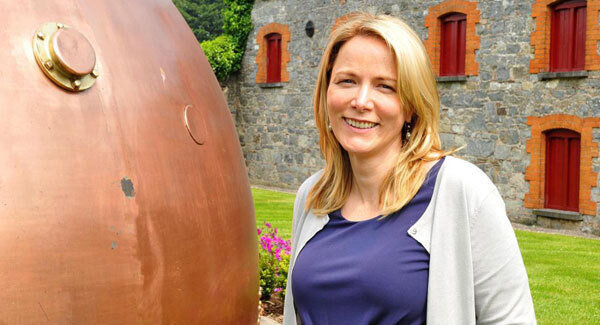
The Swede has headed Pernod Ricard’s Irish operations for the past four and a half years but will now take on the lead role at the Absolut Company which is also owned by the French drinks giant.
Ms Malmhake, who served as global brand director and then marketing director at Absolut between 2007 and 2011, will be replaced in Dublin by Jean-Christophe Coutures. He joins Irish Distillers from Pernod Ricard Winemakers.
At Absolut, Ms Malmhake will be replacing Irishman Paul Duffy, who will take up the role of chairman and chief executive of Pernod Ricard north America and CEO of Pernod Ricard USA.
Yesterday’s new appointment announcements coincided with Pernod Ricard’s first half financial results — covering the six months to the end of December — which showed a 7% annualised jump in reported sales to just under €5bn.
The strong showing was driven by a good performance in the Americas and Asia, in particular, with Spain and Britain helping the European operations’ sales inch up 1%.
Sales of Jameson Irish Whiskey, one of Pernod Ricard’s premier global brands, grew 11%, year-on-year in value terms.
The product now has double-to-triple digit percentage growth in sales in more than 50 markets.
Regarding Irish Distillers’ performance, Ms Malmhake said: “Our portfolio of prestige whiskey brands — Redbreast, Green Spot, Midleton Very Rare — posted impressive volume growth of 30% and value growth of 32%.
“Globally, consumers are increasingly more interested in the single pot-still style of whiskey unique to Ireland.”
Ms Malmhake also criticised latest legislation here, saying “the current legislative proposals contained in the Alcohol Bill are a disproportionate and ineffective response [to tackling alcohol misuse] and will have unintended consequences.
"A stable and supportive home market is the foundation for export success.”
She said Irish Distillers is fully committed to tackling alcohol misuse, but that the current environment in Ireland is very difficult for indigenous producers.

CONNECT WITH US TODAY



Be the first to know the latest news and updates








