Oil tankers go slow on global supply glut
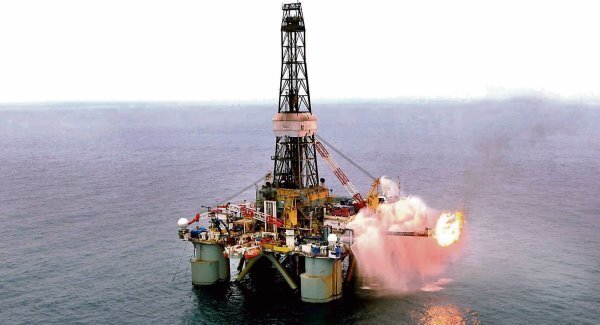
The world’s biggest oil companies are asking tanker operators to slow down delivery of crude amid an ever- expanding supply glut on land, Europe’s largest owner of supertankers said.
Oil tankers go slow on global supply glut

Tankers hauling 2m-barrel cargoes are delivering them at speeds of about 13 knots, compared with a maximum of 15, Paddy Rodgers, chief executive officer of Antwerp-based Euronav, has said.

The slower speeds might result in a voyage that would normally take 40 days instead lasting 48.

Shore-based supplies are getting so big that it is probable the need for storage at sea may soon grow, he said.

The market is contending with a glut of oil that’s not going away because Opec is insisting it didn’t create the excess and won’t tackle it alone.

Countries within the Organisation for Economic Cooperation and Development have a near-record of almost 3bn barrels of oil stockpiled, the International Energy Agency estimates.

“I’ve not seen a supply-side market like it in terms of the production of oil,” said Mr Rodgers, a lawyer who joined international shipping enterprise Euronav two decades ago and is based in London.

His company’s VLCCs earned $55,000 (€50,589) a day last year, double what they made in 2014, thanks in part to fuel prices that plunged along with crude, he said.

Euronav’s shares rose almost 9% at one stage in Brussels yesteday, but they’ve dropped 11% this year, giving the company a market capitalisation of €1.78bn.

The primary reason for slower speeds is because the supply of oil is so great that logistics are being strained at the sites where the cargoes are being delivered, Mr Rodgers said.

In China, average waiting times are about a week when normally there would be no delay, he said.

Vessels are having to wait in the Middle East as well, which is also an abnormality.

The current need for slower speeds is the opposite of what would normally happen at times when rates are low and fuel costs high.

In that scenario, a shipping company would be the one seeking to cut speeds when their vessels are returning to loading ports to collect cargoes.

Instead, Euronav ships return back to load ports as fast as possible.

While demand will gain faster than some forecasters anticipate this year because of low oil prices, the increase may not be enough to prevent oil being stored at sea, he said.

Euronav would charge approximately 75 cents per barrel each month for storing, according to the chief executive.

Traders incur additional expenses over and above freight.

Given how far oil prices have plunged, there is not much downside, Mr Rodgers said, and the slump may mean that the International Energy Agency’s forecasts for demand growth are too low.

Middle East shipments to the US also appear to be increasing since the nation lifted a ban on exports this year, he said.

More in this section

The Business Hub

Newsletter

News and analysis on business, money and jobs from Munster and beyond by our expert team of business writers.

Cookie Policy Privacy Policy Brand Safety FAQ Help Contact Us Terms and Conditions

© Examiner Echo Group Limited