Europe’s shares tumble as China bids to quell fears
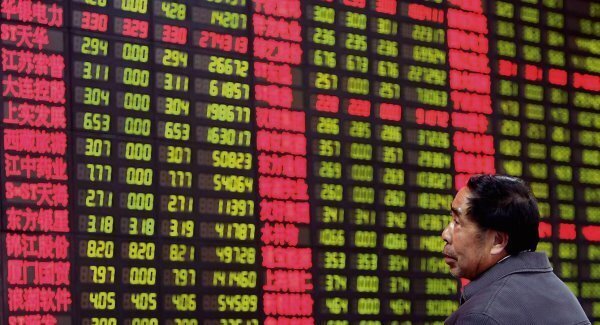
And in the US, crude traded near a 12-year low at $33 a barrel as the calming effects of China’s attempts to shore up financial markets faded.
US government treasuries headed for the biggest weekly advance in a month and the US dollar strengthened.
Volatility in Chinese markets spurred a global selloff in riskier assets as concern deepened over the ruling Communist Party’s ability to manage an economic slowdown.
US payroll growth, however, surged in December, capping the second-best year for American workers since 1999.
While that was further evidence of a resilient job market that prompted the Federal Reserve to raise interest rates, wages grew slower than forecast, adding to disinflation concerns stoked by plunging commodities prices.
“There will remain some jitters about China until they get get through a week or more without having a precipitous drop,” said Peter Jankovskis, co-chief investment officer at OakBrook Investments.
“Given what’s going on in China right now, the market is looking for economic growth and evidence that there’s strength in the US economy. We’re still walking on egg shells, but this is definitely going to help turn a corner.”
“The big concern right now is what’s happening overseas, particularly in China,” said Bruce Bittles, chief investment strategist at Robert W Baird.
UniCredit yesterday cut its year-end sterling forecast to $1.50 from $1.63. Sterling slipped 0.3% to 74.98p per euro, a weekly decline of 1.7%. Danske Bank cut its estimates for sterling yesterday, weakening its three-month forecast to 73p per euro, from 70p.
Britain’s currency has had a rocky start to 2016, falling to a five-and-a-half year low against the dollar yesterday. Sterling depreciated against the euro for a seventh week, its longest losing streak since April 2011.
Traders and analysts are delaying their calls for a Bank of England to start increasing rates. The planned referendum on Britain’s EU membership is also reducing the currency’s allure.
Bloomberg
CONNECT WITH US TODAY



Be the first to know the latest news and updates








