Global oil glut: Tsunami hits Saudis, the ruble, and Iran
Saudi will spending 975bn riyals by the end of this year, overshooting the government’s target by 13%, an official told reporters in Riyadh on Monday.
The deficit is at about 16% of GDP, according to Alp Eke, senior economist at National Bank of Abu Dhabi.
“The economic council worked to strengthen the efficiency of non-oil revenue,” preventing the deficit from reaching as high as 500 billion riyals, the official said.
Meanwhile, Russia’s economy shrank for the first time in five months as declines in oil prices rippled through consumption and industrial output, highlighting the risks to a recovery from the country’s recession.
GDP slumped 0.3% in November on a seasonally adjusted basis after gains of 0.1% in October and 0.3% in September, the Economy Ministry said in a report on its website yesterday. GDP shrank 4% last month from a year earlier.
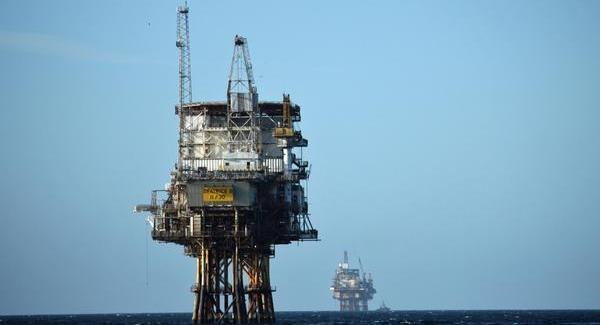
Next year could be tough on oil companies, and they know it. https://t.co/8X7u4N8LOY pic.twitter.com/aBJBoQX2fB
— Financial Times (@FT) December 28, 2015
A renewed sell-off in oil is threatening to extend the recession into a second year for what would be Russia’s longest slump in two decades.
While GDP contracted at a slower annual pace last quarter, shrinking crude prices remain a challenge to Vladimir Putin, who said this month that Russia had put the worst of the economic crisis behind it.
“The risk of a deeper decline has intensified,” Andrei Klepach, chief economist at Russian state development lender Vnesheconombank and a former deputy economy minister, said in a report.
Brent crude, used to price Russia’s main export blend called Urals, is poised to end 2015 with the lowest annual average price in 11 years after the Organisation of Petroleum Exporting Countries effectively abandoned output limits earlier this month.
That’s hurting Russia by eroding budget revenue, crippling the ruble, and stoking inflation.
Russian stocks are on track for their first monthly loss since September as the outlook dims for the economy.
The ruble is the world’s third-worst performer in December with an 8% loss against the dollar.
The Economy Ministry estimates GDP will increase 0.7% next year after a contraction projected at 3.9% in 2015.
The central bank is less upbeat, seeing a decline of as much as 1% in 2016 if Urals averages $50 a barrel.
Brent was trading yesterday around $37.17 a barrel on the London-based ICE Futures Europe exchange.
“If the oil price remains at the current level for half a year or a year, then we’ll see the economic decline extended,” former Finance Minister Alexey Kudrin said in an interview with Interfax news service published yesterday.
“We can’t say that the peak of problems has passed.”
Oil slid from the highest level in three weeks, snapping the longest run of gains since April, as Iran repeated its goal of boosting exports after sanctions on the country are lifted.
Iran’s priority is to boost crude shipments to pre-sanction levels, state-backed IRNA reported, citing Oil Minister Bijan Namdar Zanganeh.
The Persian Gulf nation plans to add 500,000 barrels a day of exports within a week after sanctions are removed, said Rokneddin Javadi, head of National Iranian Oil, according to Shana news agency.
The global glut that’s sent crude prices toward their second yearly decline may deepen after Opec effectively abandoned output limits earlier this month.
Brent, the benchmark for more than half the world’s oil, is poised to end 2015 with the lowest annual average price in 11 years, hurting oil-exporting countries and companies.
“If Iran adds as much as it plans to the already oversupplied market, there is definitely less hope for the market in the first half of next year,” Hong Sung Ki, senior commodities analyst at Samsung Futures, said.
The country’s export ambitions “will become a driver for lower prices,” he said.
The 13-member Opec, which controls about 40% of global oil production, abandoned its formal output target in its December 4 as it attempts to drive higher-cost producers.
That is adding to the glut that is also hurting its own members.

CONNECT WITH US TODAY



Be the first to know the latest news and updates











