Ten EU states eye plan for financial trading tax
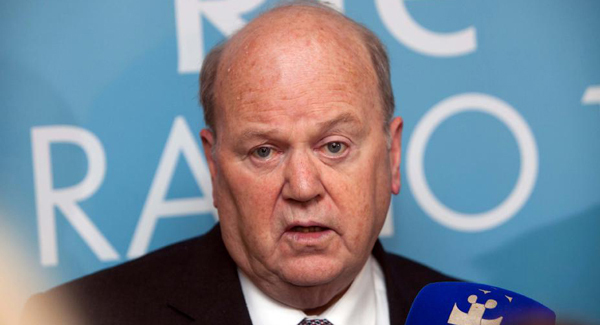
Ireland and the UK are staying outside the deal.
A financial-transaction tax is intended to recover some of the public money used to support banks, to curb speculative trading, and to unify the various levies already charged in several EU countries.
Talks on imposing one have been dragging on since 2011.
In September, ministers from Germany, France, Italy, Austria, Belgium, Estonia, Greece, Portugal, Slovakia, Slovenia and Spain said that they had made progress and they expected a political agreement in December.
Yesterday’s statement said all share transactions, including intra-day trading, would be taxed.
The ministers said they would analyse if it would be better to tax all shares, regardless of where they were issued.
Estonia, which did not sign the agreement, had been worried that because most of the shares traded by its financial institutions are issued outside the participating group, it would hardly get any revenue.
The ministers also agreed that derivatives’ transactions should be taxed “on the principle of the widest possible base and low rates and it should not impact the cost of sovereign borrowing”.
The proposal of the EC from 2013 envisaged a tax rate of 0.1% on share and bond trades and 0.01% on derivatives’ trades.