Bank of England call to build defences safeguards UK banks against future financial crisis
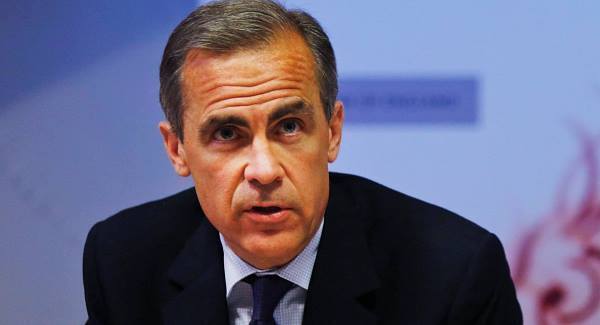
British banks including HSBC and Lloyds have almost completed the job of building up their defences against a future financial crisis, Bank of England Governor Mark Carney said yesterday as he set out details of new capital requirements.
Bank of England call to build defences safeguards UK banks against future financial crisis

UK-listed banks breathed a sigh of relief, as none failed the latest BoE ‘stress tests’ on the sector.

Standard Chartered, Lloyds Group, Royal Bank of Scotland, HSBC and Barclays rose 1.4% to 2.7%, helping the European banking index gain more than 1%, as the BoE said major UK lenders did not have to take any emergency action.

Banks may however have to hold up to £10 billion (€14.2bn) more capital to meet rules designed to link the capital they must hold to protect against financial risks to the state of the economy, a relatively small sum compared with the hundreds of billions they have raised to strengthen their position since the financial crisis.

Mr Carney was keen to dispel banks’ fears that the BoE was going further than international rules required, and acknowledged that excess capital requirements could hurt growth.

“With today’s announcement, the basic amount of capital our system requires is settled,” he said, setting out plans for top UK banks including HSBC, Lloyds, Barclays after their annual health check.

RBS and Standard Chartered only passed after taking remedial action.

“While the benefits of increased resilience are clear, higher capital costs are ultimately passed on to borrowers,” he said.

Chancellor George Osborne has called for a “new settlement” with banks after introducing a welter of tougher rules.

Mr Carney said there was absolutely no political pressure on the BoE to ease the pressure on lenders.

The BoE’s Financial Policy Committee “seems positively relaxed about the current state of the banking system”, said Samuel Tombs at Pantheon Macroeconomics.

The BoE also released the results of annual ‘stress tests’ into how Britain’s big seven lenders would deal with unexpected economic shocks.

This year the focus was on emerging market and trading risks, and Royal Bank of Scotland and Standard Chartered both only passed thanks to steps they took to improve their capital ratios during the process, which lifted their leverage ratios above the minimum 3% level.

The other five big lenders tested, HSBC, Barclays, Lloyds, Santander and Nationwide, did not have to take action.

The BoE said that credit conditions were largely back to normal after the financial crisis.

x

More in this section

The Business Hub

Newsletter

News and analysis on business, money and jobs from Munster and beyond by our expert team of business writers.

Cookie Policy Privacy Policy Brand Safety FAQ Help Contact Us Terms and Conditions

© Examiner Echo Group Limited