Exchequer to enjoy unexpected €3bn bounty
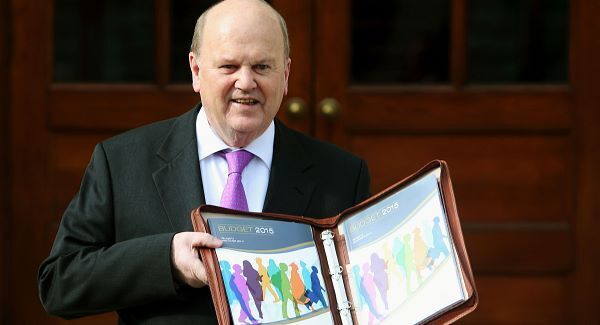
A huge flow of corporation tax receipts has swelled exchequer finances, meaning the Government is likely to have €3bn more in its coffers at the end of this year than it expected just a year ago.

Exchequer to enjoy unexpected €3bn bounty

Exchequer figures for the first 10 months of the year published yesterday also showed that the Coalition has just over eight weeks to deliver on a €1.5bn extra spending splurge it has signalled for this year.

Analysts say that departments will now be working against the clock to have the additional monies spent by the end of the year.

The move by Finance Minister Michael Noonan to boost spending this year was seen as a way for the Coalition to pre-empt stricter EU budget controls that come into force next year.

Mr Noonan had also announced last month in his pre-election budget a further €1.5bn package of spending increases and tax cuts for the 2016 budget. The increase in corporation tax receipts was so large that the Department of Finance will likely have an investigation into its causes.

Conall MacCoille, chief economist at Davy Stockbrokers, said there was now a substantial amount more in the coffers from corporation tax than the Government had bargained for.

In October alone, corporation tax receipts delivered €806m more in tax than the exchequer had anticipated.

“It does look very buoyant,” said Mr Mac Coille.

For the first 10 months of the year, corporation tax receipts totalled €4.75bn, some €2bn more than was budgeted for this time last year. And with November and December traditionally bumper months for company tax, that figure is likely to climb even higher.

“The over-performance in [corporation tax] the year is broad based and primarily relates to improved trading and some timing factors,” according to the Department of Finance.

However, tax receipts from other big sources, income tax, Vat, and excise duties, though also good, rose at more modest pace or undershot their targets.

Income, or personal tax receipts fell short against the monthly target, and receipts for the full 10 months of €13.86bn were only €95m over the exchequer target.

The Department said that for the month, the income tax shortfall was “driven by an underperformance of DIRT” tax and the overall income figures showed “employment growth and increases in the average weekly earnings.”

Something similar happened with Vat taxes, which fell short of their monthly target in what is a non-Vat month for businesses, and came to a total of just above €10bn so far this year, €164m more than was anticipated a year ago.

The department said the Vat receipts showed a “strong” outcome.

Excise duties, the last of the ‘Big Four’ group of tax sources, which provided the exchequer with a total of €4.26bn so far this year, fell short both on a monthly and cumulative basis.

Mr MacCoille predicts that the annual budget deficit will fall well below 2.1% of GDP this year, probably as low as 1.8%.

“The strong tax revenues will allow the Irish government to ramp up spending in the coming eight weeks and still hit their target for the full year,” said Dermot O’Leary, chief economist at Goodbody Stockbrokers.

Alan McQuaid chief economist at Merrion Capital said that “the biggest risk” to the country’s credit worthiness was politics rather than economics.

x

More in this section

The Business Hub

Newsletter

News and analysis on business, money and jobs from Munster and beyond by our expert team of business writers.

Cookie Policy Privacy Policy Brand Safety FAQ Help Contact Us Terms and Conditions

© Examiner Echo Group Limited