Commission urges SMEs to reach out for EU funding
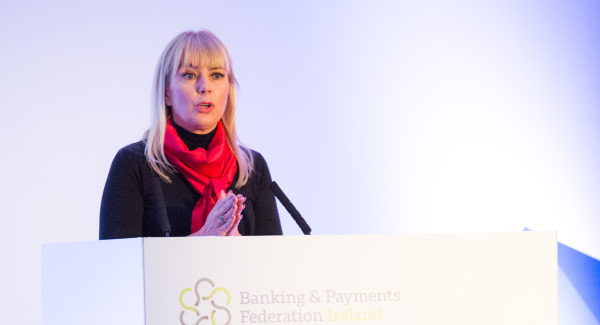
Elzbieta Bienkowska acknowledged that many SMEs in Ireland and the EU are struggling to access traditional bank loans.
During a two-day visit to Ireland, she met with Government officials and small business organisations to get the message across that SMEs will need new forms of financing if they are to prosper.
Speaking to a Banking and Payments Federation conference on growth and entrepreneurship, Ms Bienkowska said that SMEs remain largely dependent on accessing bank financing.
Yesterday, Central Bank figures showed that lending to non-financial companies continued to contract, falling by 6.2% from September 2014.
Short-and long-term loans fell, though medium-term loans grew strongly, the bank said.
Ms Bienkowska said that accessing bank financing was not easy, with 13% of all bank loans across Europe being rejected last year.
She said the rejection rate rises to 20% in Ireland, while over a third of EU SMEs surveyed did not manage to secure the full amount of bank loan financing they had wanted.
Ms Bienkowska said that across the eurozone the average rejection rate had fallen to 8% — marking a considerable improvement — but big differences still existed between the countries, with rejection rates ranging from as low as 4% in Germany to 19% in Ireland and as high as 23% in the Netherlands.
She said there are signs that Europe was at last getting a grip, but that a number of problems faced different member states.
In Ireland, venture-capital funds were available, but targeting these programmes to allow small businesses to access such funds was an important priority.
She said although many recognised the value of SMEs, it was important to ensure that small businesses have access to finance and access to markets to sell their goods — which she said was currently “extremely difficult” for them.
With the European Investment Bank, the commission is attempting to boost investment across Europe. Though the primary aim was to finance strategic projects, Ms Bienkowska said that finance exists for industrial projects too. Other new funds agreed recently were specifically available for start-ups, while “mentoring” programmes helped SMEs to link up with larger corporations, she said.