Sterling gains on euro and dollar
The numbers from the Office for National Statistics showed consumer prices rose 0.1% in July, beating expectations that inflation would remain stuck at zero.
Core inflation, which strips out food, energy, alcohol and tobacco prices, hit a five-month peak of 1.2%, up from 0.8% in June.
In a market thinned by the summer holidays, the pound took centre-stage.
The Bank of England’s trade-weighted sterling index, which measures the pound’s purchasing power versus its main trading partners’ currencies, rose 0.8%, its strongest since March 2008.
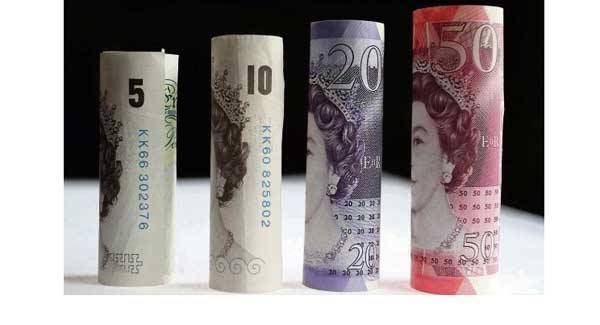
Against the dollar, the pound hit a seven-week high of $1.5717, while it gained over 1% to trade at 70.27 pence per euro.
Rabobank senior currency strategist Jane Foley said sterling’s jump was being amplified by the fact that investors had reacted strongly to what they perceived as a cautious Bank of England inflation report and minutes on so-called “super-Thursday” on August 6, which had driven sterling lower.
“After super-Thursday there were lots of headlines suggesting that the Bank of England was doveish,” said Ms Foley.
“But the Bank of England is one of only two central banks that is preparing the market for an interest rate hike. I still think we need to call it a hawkish central bank.”
Traders must wait until today when US inflation data and US Federal Reserve minutes are released, for further clues on when the US central bank might hike rates.
Market analysts expect the Fed to move in either September or December, while they do not expect the Bank of England to raise rates until March next year.
“We have a substantial gap between UK and the US rate expectations, so the question is: Is this gap in rate expectations justified or not?” said Morgan Stanley’s global head of FX strategy Hans Redeker.
“Today’s numbers are indicating that the gap is too wide, therefore sterling is going up.”
In its August report, the Bank of England stressed that inflation would remain subdued until at least the middle of 2016 and said the impact of the rise in sterling could persist even longer.
But Bank rate-setter Kristin Forbes said on Sunday that interest rates would need to rise long before inflation hits the Bank of England’s 2% target.
Leaving them low for too long, she said, would risk hurting Britain’s economic recovery.
CONNECT WITH US TODAY



Be the first to know the latest news and updates