China shares slump by 8%
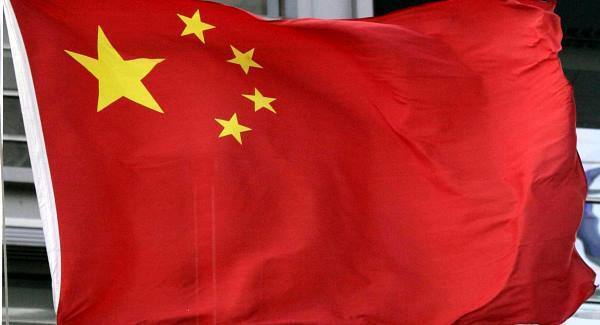
Chinese shares slid more than 8% yesterday as an unprecedented government rescue plan to prop up valuations ran out of steam, throwing Beijing’s efforts to stave off a deeper crash into doubt.

China shares slump by 8%

Major indexes suffered their largest one-day drop since 2007, shattering three weeks of relative calm in China’s volatile stock markets since Beijing unleashed a barrage of support measures to arrest a slump that started in mid-June.

“The lesson from China’s last equity bubble is that, once sentiment has soured, policy interventions aimed at shoring up prices have only a short-lived effect,” wrote Capital Economics analysts in a research note reacting to the slide.

The CSI300 index of the largest listed companies in Shanghai and Shenzhen tumbled 8.6% to 3,818.73 points, while the Shanghai Composite Index lost 8.5% to 3,725.56 points.

China’s market gyrations have stoked fears among global investors about the broader health of the world’s second biggest economy, hitting prices of growth-sensitive commodities such as copper, which fell on Monday to not far from a six-year low.

But, while the recent stock market weakness will have caught out many retail investors and companies who jumped in as stocks more than doubled in a year, the low rate of stock ownership by households and a disconnect between valuations and economic fundamentals mean the impact on the economy is likely to be less than in other markets.

Stocks fell across the board yesterday, with 2,247 companies falling, leaving only 77 gainers. More than 1,500 shares listed in Shanghai and Shenzhen dived by their 10% daily limit, led by index heavyweights including China Unicom, Bank of Communications and PetroChina.

All traded index futures contracts also fell by their maximum 10% limit, with the exception of a few tracking the large cap SSE50 index, which declined around 9%.

Some analysts said talk had circulated among traders that the China Securities Financial Corporation (CSFC) had returned ahead of schedule some of the loans it took to stabilise the stock market, highlighting investor concern that Beijing’s commitment to supporting prices may be flagging.

The CSFC became the regulator’s weapon of choice earlier this month, borrowing money from commercial banks to buy shares in Chinese stocks. That helped indexes jump around 20% from their recent low, until yesterday’s renewed decline.

Reuters

x

More in this section

The Business Hub

Newsletter

News and analysis on business, money and jobs from Munster and beyond by our expert team of business writers.

Cookie Policy Privacy Policy Brand Safety FAQ Help Contact Us Terms and Conditions

© Examiner Echo Group Limited









