Shoppers will now drive the recovery, says Merrion
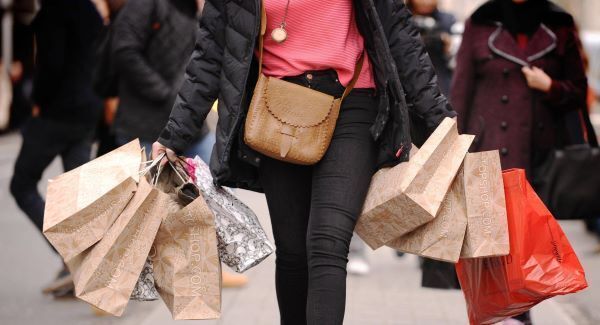
Alan McQuaid, chief economist at Merrion Capital, said retail sales and spending by households and businesses will boost growth this year and next. He now says the economy will grow very strongly this year, by 4.2%, and will maintain its momentum to expand by 3.9% in 2016.
“Retail sales, though erratic, are up from year-on-year,” he said. “We will see wage increases. Employment is rising. More people are confident tthe crisis is over. All the ingredients are there for consumers.”


Read

Listen

Watch

Play
CONNECT WITH US TODAY



Be the first to know the latest news and updates





The Business Hub
Newsletter

News and analysis on business, money and jobs from Munster and beyond by our expert team of business writers.
Business
Push Notifications
By clicking on sign up you will be the first to know about a selection of business content on this browser. Please note if you are unable to sign up via your mobile web browser, download and sign up for mobile push notifications via our FREE news app.
Sign Up

The Business Hub
Newsletter
News and analysis on business, money and jobs from Munster and beyond by our expert team of business writers.

Lunchtime News
Newsletter
Get a lunch briefing straight to your inbox at noon daily. Also be the first to know with our occasional Breaking News emails.
Most Read
Thursday, October 1, 2026 - 1:00 PM
Thursday, October 1, 2026 - 7:00 PM
Wednesday, September 30, 2026 - 5:00 PM