Oil prices rise from 3-week low
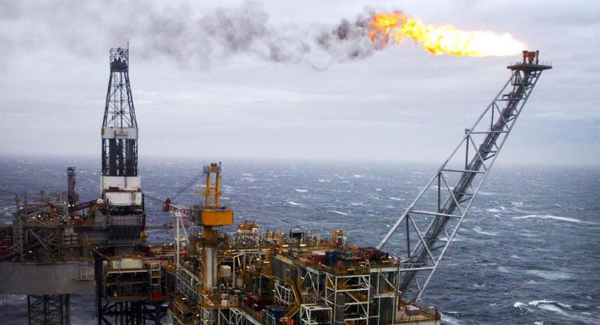
Brent crude futures were, however, in line for a second straight monthly loss despite a 10% gain for the first half of the year. US crude futures were up similarly for the half year after a loss for June.
However, crude futures also had a sterling quarter, with Brent notching its largest gain since 2012 and US crude its strongest since December 2012.
Front-month US gasoline and ultra-low sulphur diesel futures that expired yesterday rallied about 2% or more, helping lift crude futures as traders and investors squared positions ahead of the month- and quarter-end.
“Crack spread buyers are helping,” said Donald Morton, who runs an energy-trading desk at Haverhill, Massachusetts, for investment bank Herbert J Sims & Co.
The crack spread is the differential between the price of crude and the petroleum products extracted from it, or the profit margin refiners can get for refining crude.
The gasoline crack widened sharply for the first time in three days while that for ultra-low-sulphur diesel hit a June 19 high. Brent futures were up 85 cents, or 1.5%, at $63.72 a barrel yesterday. For the month, Brent fell 4%.
For the quarter, it rose 14% and for the year-to-date, it was up 10%. U.S. crude rose by 50 cents, or nearly 1%, to $58.83. It slipped 2% for the month, rose 25% for the quarter and 10% for the year.
With the expected default on its €1.6bn IMF loan, which was due last night, Greece has been plunged deeper into a financial crisis.
“Markets are worried that a Greek debt default could hit European economic growth and thus fuel demand,” said Tamas Varga, oil analyst at London brokerage PVM Oil Associates.
Investors also kept a close eye on talks in Vienna on Iran’s nuclear programme that could end years of economic sanctions on the Islamic Republic and eventually allow a big increase in Iranian oil exports.
The US delegation to the negotiations said the terms for an interim nuclear deal with Iran has been extended to July 7, from June 30 originally, to allow more time to reach a final accord.
Meanwhile, Greece’s conservative opposition warned yesterday that Sunday’s vote over the bailout terms would be a referendum on the country’s future in Europe, and that wages and pensions would be threatened if people were to reject the package.
“The question of the referendum is now yes or no to the euro and Europe. That’s what all the leaders of Europe have indicated,” said former prime minister Antonis Samaras, leader of the centre-right New Democracy party.
“No would mean that pensions and salaries in the public and private sector would not be paid.”










