Product lines face axe in Tesco revival bid
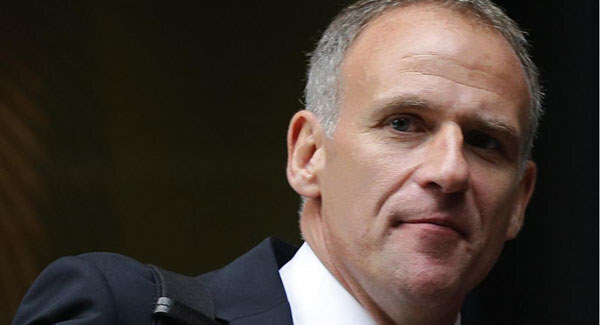
Last week Tesco enjoyed the first fruits of a radical shake-up of its 3,000 British suppliers as new deals and changes to product ranges helped to feed price reductions that drove better than expected quarterly sales.
Chief Executive Dave Lewis faces a tough battle to rebuild trust with suppliers shattered by a £263m (€370m) accounting scandal last year.
Lewis, who joined Tesco from consumer goods company Unilever last September, is axing almost a third of Tesco’s 90,000 product lines. He is focusing on securing better deals with fewer partners on best-selling items to help fund lower prices.
The plans are good news for suppliers of the most popular brands. They will have more clarity on income and will benefit from increased shelf space and potentially higher sales volumes.
However, for those who miss out, it is grim news. Notable brand names no longer to be found on Tesco shelves include Rachel’s Organic yoghurt and AB Foods’ Kingsmill bread.
After decades of dominance, Tesco’s sales and profits dived as shoppers fell out of love with its big out-of-town stores and took a shine to German discounters Aldi and Lidl which keep prices down by limiting their product ranges to about 1,500 items.
Tesco will expect suppliers to part finance its multi-million pound price cuts by trimming their own margins. In return, Lewis is offering more straightforward contracts.
Despite its problems, Tesco still has a market share of over 28%, compared with 16.5% for closest challengers Sainsbury’s and Asda.
Tesco investors have so far backed Lewis, with the firm’s shares up 14% over the last six months. Savings, estimated at up to £1bn (€1.4bn) by Shore Capital retail analyst Clive Black, will fund price cuts that boost sales volumes .
In the past, Tesco’s suppliers agreed deals only to be stung by tactics such as unilateral demands for funding to maintain relationships.
Such behaviour came under scrutiny last year after Tesco’s huge profit misstatement which is now the subject of several investigations, including one by Britain’s Serious Fraud Office.
Historically, Tesco and suppliers would agree an upfront price, known as the front margin. However, Tesco also had no fewer than 24 other ways of gaining commercial income from suppliers — the back margin.
Lewis has pledged to shift Tesco’s emphasis to the front margin and, by 2017, slash back margin options to three that are common across the grocery sector — retrospective payments for achieving volume targets, payments for shelf promotions, and compensation for product recalls.

CONNECT WITH US TODAY



Be the first to know the latest news and updates











