All ears on Fed’s interest rate signal
World shares ended last week on a muted note as Greece’s situation took a turn for the worse when the IMF’s delegation walked out of negotiations in Brussels citing “major differences” with Athens over how to save the country from bankruptcy.
The EU has also been telling Greek prime minister Alexis Tsipras in more strident terms to stop gambling with his cash-strapped country’s future and make the big decisions needed to avert a potentially devastating default.
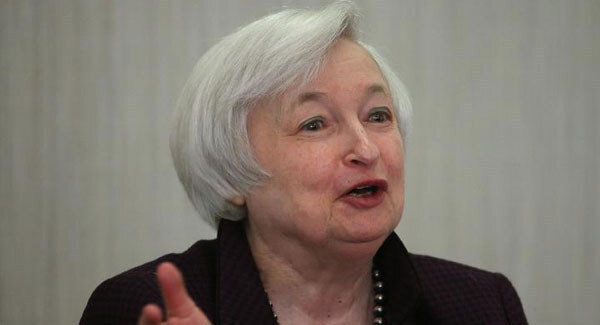
For watchers of the Federal Reserve, the main point of interest will be any change in the nuances of bank chairwoman Janet Yellen’s language after the central bank’s announcement.
Wall Street’s top bond dealers, who just three months ago had a June move pencilled in, now expect the Fed to begin raising rates in September, followed by another hike before the end of the year.
US industrial output probably increased in May after five months of contraction, data is expected to show today.
Figures to be released tomorrow will likely point to a sustained improvement in the housing market, offering more confidence that the economy has regained momentum after a dismal first quarter.
A Reuters poll shows that all nine members of the Bank of England’s monetary policy committee voted to keep British interest rates at a record low of 0.5% this month.
Like with the Fed, economists have been consistently pushing back expectations for when the Bank of England will make its first move. Late last year, the bank’s rate was predicted to have already risen by now. The current consensus suggests it will be early 2016 before it will move up 25 basis points, or 0.25%.
Tumbling crude oil prices last year sent inflation around the world into free fall, even into negative territory in some countries, giving central banks scant reason to tighten policy — a move that would have hit often fragile growth.
Russia’s central bank is therefore expected to cut its main lending rate by 100 basis points today as inflation drops and an economic downturn worsens although a recent plunge in the rouble means the bank may refrain from a sharper cut.
Later this week, the Bank of Japan is likely to sit tight but is expected to adopt further monetary stimulus later this year. Japan has finally escaped from nearly two decades of deflation although is yet to generate significant price rises.

CONNECT WITH US TODAY



Be the first to know the latest news and updates