Strategy tarnishes euro’s allure as reserve currency
Quantitative easing may be helping Europe achieve its economic targets, but it’s also undermining the long-term viability of the euro by tarnishing its allure as a global reserve currency.

Strategy tarnishes euro’s allure as reserve currency

Central banks cut their euro holdings by the most on record last year in anticipation of losses tied to unprecedented stimulus.

The euro now accounts for just 22% of worldwide reserves, down from 28% before the region’s debt crisis five years ago, while dollar and yen holdings have both climbed, the latest data from the IMF show.

“As a reserve currency, the euro is falling apart,” said Daniel Fermon, a strategist at Societe Generale in Paris. “As long as you have full quantitative easing, there’s no need to invest. The problem for the moment is we don’t see a floor for the currency. Money’s flowing out,” he said.

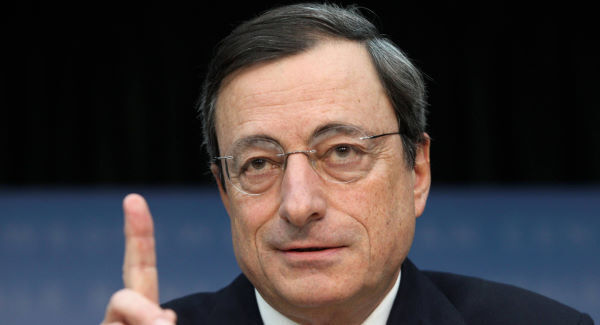
European Central Bank president Mario Draghi has in the past welcomed the drop-off in reserve managers’ holdings because a weaker exchange rate makes the continent more competitive. Yet firms including Mizuho Bank warn the currency’s waning popularity reflects a more lasting loss of confidence in an economy that shrank in two of the past three years.

The decline in euro reserves suggests other central banks consider the ECB’s €1.1tn of quantitative easing bond purchases, which started a month ago, to be the biggest threat to the currency’s global status since its 1999 debut.

Bloomberg

More in this section

The Business Hub

Newsletter

News and analysis on business, money and jobs from Munster and beyond by our expert team of business writers.

Cookie Policy Privacy Policy Brand Safety FAQ Help Contact Us Terms and Conditions

© Examiner Echo Group Limited