Weak margins hit US producer inflation
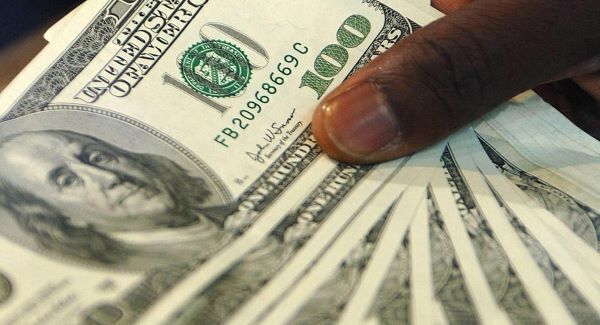
The labor department yesterday said its producer price index (PPI) for final demand declined 0.5% as profit margins in the services sector, especially petrol stations, were squeezed, and transportation and warehousing costs fell.
“The underlying message appears to be that pipeline inflationary pressures remain quite weak, even as energy prices have stabilised and gasoline prices have drifted modestly higher,” said Millan Mulraine, deputy chief economist at TD Securities, New York.
The PPI dropped 0.8% in January. In the 12 months through February, producer prices fell 0.6%, the first decline since the series was revamped in 2009.
Economists had forecast the PPI rising 0.3% last month and remaining unchanged from a year ago.
Prices for US government debt gained marginally on the inflation data. US stock indexes fell sharply, as a strong dollar threatened to erode the profits of multinational companies and tumbling crude prices pressured energy firms including Chevron and Noble.
While the weak inflation backdrop would normally be associated with a struggling economy, there appears to be little reason to worry given the fairly robust labor market. “We would not take the producer prices report as a sign that the economy is secretly rotten if you pull back the tarp and take a look at the hull. The economy is creating millions of jobs,” said Chris Rupkey, chief financial economist at MUFG Union Bank in New York.
A separate report from the University of Michigan showed its consumer sentiment index fell 4.2 points to 91.2 in early March. Lower-income and middle-income households said harsh winter weather had left them with high utility bills and disrupted shopping and general business activity.
Bad weather and a now-settled labour dispute at ports on the West Coast undercut economic activity early in the year. First-quarter GDP growth estimates range as low as a 1.2% annual rate and as high as a 2.2% rate. The economy expanded at a 2.2% rate in the fourth quarter.
The inflation data came ahead of next week’s Fed meeting, where policymakers are widely expected to signal the US central bank’s openness to a June rate hike by dropping a pledge to be “patient” in considering such a move because of labour market strength.
“The Fed is probably going to hike even if inflation stays low, whether it’s June or September, because they are confident about the strong labour market conditions ultimately leading to higher inflation,” Michelle Girard, chief economist at RBS in Stamford, Connecticut, said.
CONNECT WITH US TODAY



Be the first to know the latest news and updates