Radical political change unlikely in next Irish election
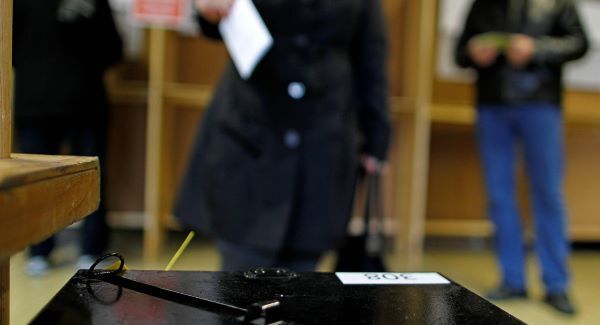
Moreover, even though political risks have increased over the past few years as austerity policies have energised the radical left, the country’s current fiscal and broader economic strategies will not be changed after the election, added the report, which was commissioned by Davy Stockbrokers.
UCD politics professor, David Farrell, outlines four possible scenarios after the next election.
- The first is that there is a coalition among the established parties — most likely Fianna Fáil and Fine Gael, but possibly including Labour.
- The second scenario is a Greek style event with Sinn Féin and the various left wing parties forming a left wing alliance.
- The third scenario would see either Fianna Fáil or Fine Gael form a coalition with Sinn Féin or some constellation of independent candidates.
- The fourth scenario would be one of the established parties form a minority government with the support of a group of independents.
Prof Farrell says the first and third scenarios are split evenly as the most likely outcomes of the next election with a very low probability that the second and fourth scenarios will pan out.
Sinn Féin’s mid-cycle opinion poll figures are likely to overstate the party’s performance at the election, he adds. The majority of its vote is among young urban voters from a lower socio economic background. These cohorts are less likely to vote.
Irish voters tend to be more conservative at the actual polls than during the electoral cycle, said Prof Farrell. And there is a history of disunity among the other left wing parties that weigh on attempts to form a left wing government following the next election.
Davy chief economist, Conall MacCoille, says the current path of fiscal consolidation, the growth strategy based on a 12.5% corporate tax rate and the proposed strategy of returning the state controlled banks — AIB and Permanent TSB — to the private sector are highly unlikely to change after the next election, even if there is a left wing component of the newly-formed government.
CONNECT WITH US TODAY



Be the first to know the latest news and updates










