Greece to ask eurozone to extend ‘loan agreement’
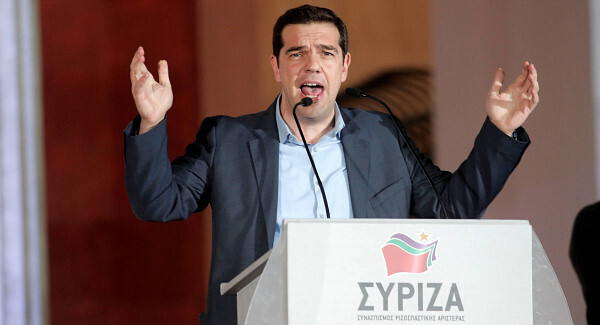
While European officials worked frantically with Athens to find a formula, EU paymaster Germany said no such deal was on offer and led the chorus of partners demanding that Athens must stick to the terms of its existing international bailout.
The move is an attempt by the new leftist-led government of Alexis Tsipras, the prime minister, to keep a financial lifeline for an interim period while sidestepping tough austerity conditions in the EU/IMF programme.
Whether finance ministers, who rejected such ideas at a meeting on Monday, accept the request as a basis to resume negotiations will depend on how it is formulated, an EU source said. The wording has to match EU legal texts to win approval in several eurozone parliaments.
Greece is burning through its cash reserves and could run out of money by the end of March without fresh funds, according to a source. He said Athens had enough to repay a €1.5bn instalment to the IMF next month but would struggle to pay public sector salaries and pensions in April.
German finance minister Wolfgang Schäuble poured scorn on the Greek gambit, telling broadcaster ZDF on Tuesday evening: “It’s not about extending a credit programme but about whether this bailout programme will be fulfilled, yes or no.”
However, German economy minister Sigmar Gabriel, leader of the Social Democratic junior partners in Chancellor Angela Merkel’s coalition, welcomed what he called the signal from the Greek government that it was ready to negotiate.
With the current bailout deal due to expire on February 28, Mr Tsipras said talks were at a crucial stage and his demands for an end to austerity were winning backing.
“There were protests across Europe supporting the moves made by Greece and we have managed for the first time through contacts with foreign leaders to create a positive stance on our requests,” he said at a meeting with Karolos Papoulias, the president.
EU officials said intensive consultations were under way between Athens, the Eurogroup and the European Commission, with Italy and France also involved in the search for a compromise.
Germany and other eurozone countries were standing firm on their insistence that there can be no roll-back of reforms already implemented under the bailout and that Greece will have to repay all it has borrowed, they said.
European stocks rose to multi-year highs yesterday amid rising optimism that a deal would be reached by the end of the week.