Call for thorough probe of Irish HSBC files
Revenue officials netted €4.5m from 20 Irish people holding HSBC Swiss bank accounts who had not paid tax on the deposits. The names emerged through files obtained by the Washington-based Centre for Investigative Journalism, which show that HSBC held over €100bn in secret accounts in its Swiss private bank.
The files related to 2007 and Irish Revenue officials subsequently uncovered these accounts during a probe of offshore accounts in 2010. Director of taxation with Chartered Accountants Ireland, Brian Keegan, said a combination of international legislation and Revenue’s Offshore Assets Group would make it very hard for anyone to hide money from the authorities.
He said the money recovered from the HSBC accounts in 2010 was more of a “sweeping-up exercise” compared with the hundreds of millions netted through previous investigations following the setting up of the Offshore Assets Group in 2001.
Speaking on RTÉ’s News at One yesterday, Mr Keegan said the original EU legislation introduced in 2005 — the Single Savings Directive — to combat this type of tax evasion was flawed, but this had been replaced by the Mutual Assistance Directive, which was much more comprehensive.
The Single Savings Directive only looked at interest on deposits rather than a wider range of investments. Moreover, it only looked at individuals as opposed to companies, said Mr Keegan.
However, it would be “naive” to think there would not be further attempts at tax evasion by Irish companies and individuals, he added. But the money hidden from authorities “would be taken off them” by the time the underlying tax paid on the deposit plus interest and penalties had been calculated, he said.
A number of prominent business figures were among the names uncovered. These included Tralee-based John Cashell; racehorse trainer Aiden O’Brien; John Crossan from Donegal; Michael Coyne from Galway; and Derek Mulrooney from Wicklow.
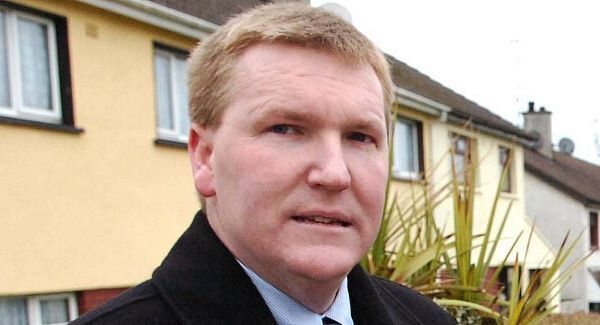
Fianna Fáil spokesperson on finance Michael McGrath has called for a thorough investigation of the HSBC files.
“So far 20 Irish account holders have made settlements with the Revenue Commissioners worth over €4.5m relating to the Swiss branch of HSBC. While this is a significant amount of money in itself it is relatively small in the context of the amount of money found to be held offshore.
“There may be scope for a considerable additional windfall for the exchequer from a full investigation of the source of all funds held by Irish residents in these accounts and whether their tax liabilities have been fully met. The unit must be resourced adequately to meet this need,” said Mr McGrath.
HSBC, in a written response, said its compliance efforts had been insufficient and the bank had undergone “a radical transformation” since 2007 and now enforced far more stringent reporting requirements. French magistrates charged HSBC’s Swiss private-banking unit in November with money laundering through tax fraud and illegal bank and financial marketing.