Cuts in lending by RBS criticised
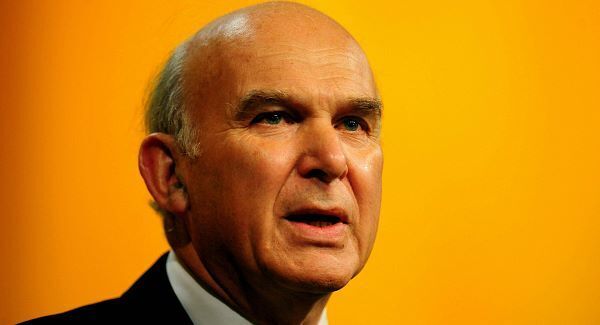
“Five years after the crisis, we still have more money being taken out by RBS particularly than being put in additionally” by Lloyds, Santander and some of the “new challenger banks,” Mr Cable said in a speech at the London Stock Exchange. “Using the big institutions as a lever to get creditinto the economy didn’t work.”
British policy makers want banks to lend more to help stimulate the economy. Accounting firm KPMG said this month the UK’s biggest banks cut lending to consumers and businesses by £364.7bn (€466bn) in the past five years.
RBS is the “biggest lender” to UK small and medium-sized businesses, a spokeswoman for the state-owned lender said. “We are on target to boost new lending by at least 10% to over £9bn this year, and we continue to support thousands more businesses with their expansion plans.”
Mr Cable said he wanted to use Britain’s nationalised companies to boost lending to small businesses. That ran against the policy of Tory chancellor George Osborne’s Treasury department, he said. “They were interested in preparing them for privatisation.”
Mr Cable, a Liberal Democrat, instead created the British Business Bank to lend £4bn over a five-year period to small and medium-sized businesses.
The bank is among several programmes, including the Bank of England’s Funding For Lending Scheme, designed to stimulate credit at a time when banks must hold more capital to protect against future financial shocks.
The annual growth rate in lending to SMEs has been negative since mid-2012, the Bank of England said.
Net lending to small and medium-sized companies through the Funding for Lending Scheme fell by £435m in the second quarter with loans provided by RBS down £360m, according to the Bank of England.
Santander, RBS, Barclays, HSBC, Lloyds and Nationwide Building Society account for about 70% of the stock of lending to businesses, according to the central bank.

CONNECT WITH US TODAY



Be the first to know the latest news and updates











