‘Full €2bn in budget consolidation not needed’
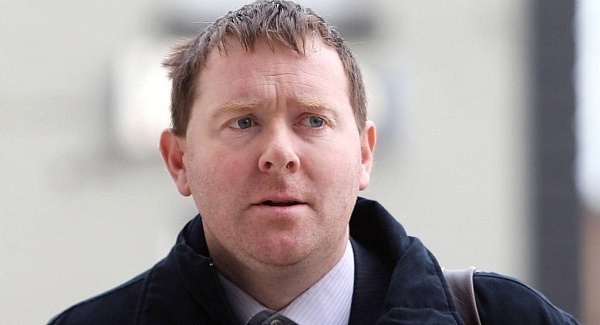
The Government will not have to implement the full €2bn in budget consolidation to meet the 3% fiscal deficit target next year, according to University College Cork economics professor, Seamus Coffey.

‘Full €2bn in budget consolidation not needed’

The size of the budget adjustment has become a thorny political issue that is likely to test the resolve of the Coalition partners over the next few months.

Both Labour leadership contenders, Joan Burton and Alex White have signalled that they will ease up on austerity if elected.

Finance Minister Michael Noonan has said that he will wait until there is greater clarity on tax receipts at the end of the summer before any decisions are made on the scale of adjustment.

Mr Coffey was speaking at a conference on recommendations for the economy following the European Commission’s publication of its Country Specific Reviews last week.

The UCC academic said that the planned consolidation figure for last year’s budget was €3.1bn which ended up as €2.5bn. This year there are a number of factors that are working in the Government’s favour, he added.

This included more buoyant tax revenues and a revaluation of GDP to include parts of the informal economy that will inflate the overall level.

Moreover, when the fiscal adjustment path was drawn up in conjunction with the troika in 2010, the interest bill was forecast at €10bn each year, but on the back of the promissory note deal this had been reduced to €8bn.

Also speaking at the conference, organised by the European Commission office in Dublin and the Institute of International and European Affairs, was former Fine Gael finance minister Alan Dukes. He noted one of the commission’s country-specific recommendations was an accelerated approach to resolving the mortgage arrears crisis.

He argued that the Central Bank had to become more prescriptive with the banks and how they deal with mortgage arrears.

Debt writedowns will have to form a big part of this strategy, he added.

“If the household income can only service a mortgage that is roughly the current market value or maybe a bit more, then the mortgage will have to be written down to that level,” said Mr Dukes.

But there will be cases where the house owner will not be able to afford the market value, which leaves no alternative but repossession, he said.

Department of Finance chief economist, John McCarthy, said the troika’s post programme surveillance will continue until Ireland has repaid at least 75% of the €67.5bn in funds drawn down.

x

More in this section

The Business Hub

Newsletter

News and analysis on business, money and jobs from Munster and beyond by our expert team of business writers.

Cookie Policy Privacy Policy Brand Safety FAQ Help Contact Us Terms and Conditions

© Examiner Echo Group Limited








