Timing of UK rate hike sparks debate
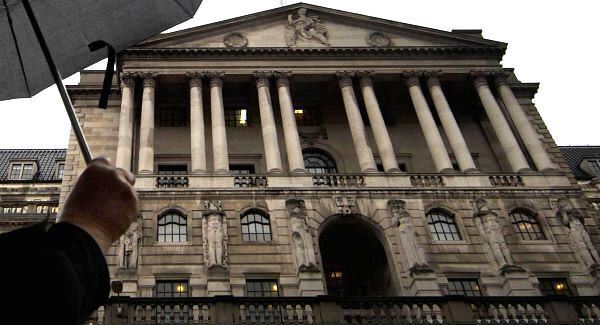
However, the bank’s deputy governor, Charlie Bean, also told BBC radio there was no need for an immediate rate rise and policymakers had to be careful not to “nip” the economic recovery too soon.
The bank has held its bank rate at a record low of 0.5% for more than five years to help Britain’s economy recover from a deep recession caused by the financial crisis.
Bean, who is due to retire next month, said the bank rate could settle at about 3% in three to five years’ time, below its pre-crisis average of about 5%, echoing comments from other bank policymakers.
The bank has signalled it might start raising rates in about a year’s time. However, in a sign of growing differences about the timing of when to start reining in the recovery, it said last week that some of its top officials believed the case for keeping rates on hold was now more finely balanced.
Britain’s economy is growing at an annual rate of about 3%, making it the fastest among G7 countries, although it is only now recovering its size before the financial crisis.
Bean said the bank wanted to raise rates gradually because it was uncertain about the impact on the economy after the upheaval of recent years.
“It might not operate in quite the same way as it did before the crisis,” he said. “So that’s an argument if you like for being a bit cautious, moving in baby steps to avoid making mistakes.
“But of course if you want to pursue that strategy, then that would say, well, you need to start taking those baby steps a bit earlier, otherwise you end up being behind the curve.”
Bean said there were “equally arguments on the other side” about the risk of raising rates too early and jeopardising a recovery in productivity which the bank is hoping to see in order for Britain’s economy to grow without fuelling inflation.
“It may be that if we nip the recovery too early then we won’t see that productivity rebound,” he said. “So that’s an argument on the other side of the fence.”
Asked about the housing market recovery, which has raised concerns about a new property bubble, especially in London, Bean said the bank’s Financial Policy Committee was more focused on the risks of a big debt build-up than about price growth which reflected the lack of home-building.
“We are certainly monitoring developments in the housing market pretty closely,” he said.
CONNECT WITH US TODAY



Be the first to know the latest news and updates