Noonan warns against reform fatigue
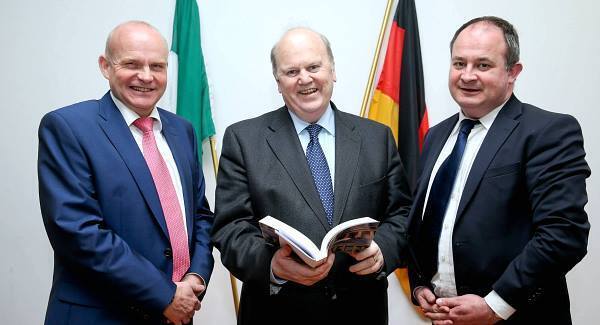
Speaking at an event in European Union House in Dublin last night, Mr Noonan said that there is a real risk that eurosceptic parties will make considerable gains in the forthcoming European Parliament elections as unpopular tax hikes and spending cuts increased social and political unrest in some countries.
“Nevertheless, I believe that the majority of EU citizens want to build a stronger Europe, and that the centrist pro-EU parties stand to maintain the majority of seats in the European Parliament,” he said.
“The fiscal consolidation and structural reforms undertaken in Europe have created the basis for recovery. As I have outlined, there are increasing signs that the European economy has reached a turning point. But it is too early to declare victory... We must continue working to modernise the European economy, for sustainable growth and job creation.”
Eurosceptic parties such as Ukip in Britain and Marine Le Pen’s Front National in France are both on course to make significant gains in the parliamentary elections. Ms Le Pen wants to take France out of the single currency.
However, Mr Noonan said enormous progress has been made across the region over the past few months. Unemployment has stabilised, although at very high levels, he noted. However, Ireland left the bailout programme and Portugal is also about to make a clean exit. Borrowing costs have tumbled across the region for both core and periphery countries.
“These positive developments show the eurozone’s approach, demonstrating solidarity in conjunction with structural reforms to generate growth, competitiveness and employment, along with sustainable fiscal consolidation, is delivering,” he said.
“This is not to say that undertaking the necessary reforms has been an easy process. Ireland’s return to a sustainable economic path required the implementation of a very difficult set of decisions and reforms. We had to deliver an adjustment of taxation and spending that amounted to 20% of our GDP, while trying to support economic growth and reduce unemployment.”
“I am pleased to say that this difficult reality was recognised by our partners in Europe and that there was flexibility in terms of renegotiating key terms of the programme. These developments along with the restructuring of the Anglo Irish Bank promissory note were important factors in Ireland’s exit from the EU/IMF programme.”
However, important reforms still have to be completed which will finally break the link between sovereign debt and the financial system, he added.


CONNECT WITH US TODAY



Be the first to know the latest news and updates