Think tank: EU economic crisis put 6m out of work
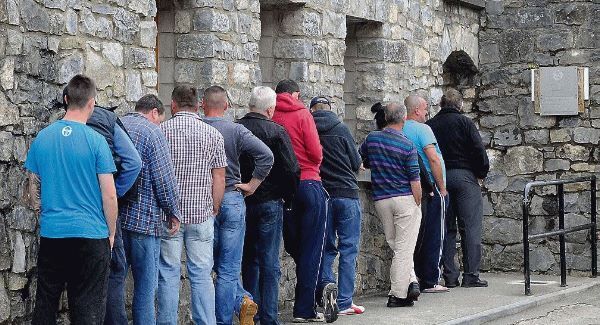
As host, Greece, the first eurozone country to be bailed out during the crisis, put it on the agenda of the regular meeting of EU finance ministers that has more usually focused on appeasing financial markets with tough spending reforms.
After six years of recession that many blame on international lenders for exacerbating tax hikes and spending cuts, about a quarter of Greeks are jobless, including over half of those aged under 25.
The study, presented by economic think tank Bruegel, outlined how unemployment had risen to 11% of the EU workforce last year, as governments slashed spending. The axe fell hardest on the young, the study found.
“The European Union faces major social problems,” the study’s authors said in the presentation. “More than 6m jobs were lost from 2008 to 13 and poverty has increased.”
“The distribution of adjustment costs between the young and old has been uneven; a growing generational divide is evident, disadvantaging the young,” the study said.
The report also identified the wide disparities of wealth across the EU, a shaky alliance of 28 countries which gather under the umbrella of the EU but who often clash due to their different cultures and interests.
Bruegel identified the largest gaps between rich and poor in Greece, Italy, Portugal, Spain, and Britain. Along with Greece, Spain and Portugal have also been forced to seek emergency financial aid from their neighbours.
The report also flagged the widening gap between rich and poor in southern European countries, arguing that some cuts to social spending could trap countries in economic gloom by creating, for example, a generation of long-term unemployed.
Guntram Wolff, one of the study’s authors, said that while the reaction of ministers was favourable, differences remained when it comes to addressing such problems. “While all ministers agree that the issue is relevant there are very different philosophies throughout Europe,” he said.
— Reuters












